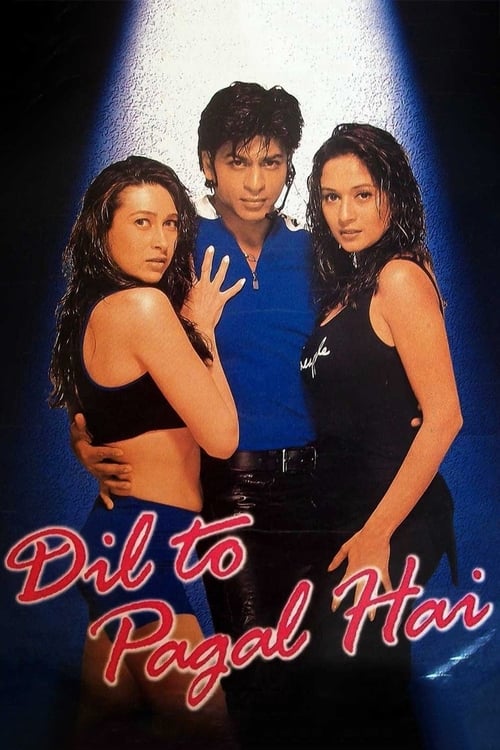
Dil To Pagal Hai
1997
No user ratings available yet
Representation score: 3.6 out of 10
Representation Score
Limited
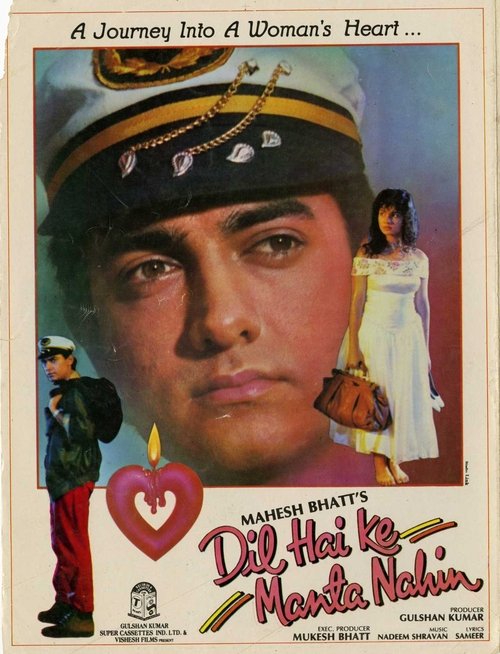
1991
Not RatedDirector
Mahesh Bhatt
Runtime
154 minutes
Average Rating
No ratings yetNew Showbiz Analysis
Dil Hai Ke Manta Nahin is a quintessential commercial romance of its era. It succeeds in providing authentic South Asian representation through its casting and cultural setting, avoiding Western aesthetic impositions. However, the film functions to reinforce rather than disrupt traditional hierarchies. The narrative architecture relies heavily on conventional gender archetypes and straight-centered romantic structures common to early 90s cinema. Ultimately, the film prioritizes individual emotional arcs over any meaningful systemic or political commentary, favoring established social norms over multi-layered complexity.
Category Breakdown
The film adheres to a strictly heterosexual and cisgender structure, focusing entirely on a traditional male-female romance without any queer subtext or non-binary identities.
Characters follow established 90s archetypes. While the male lead offers a slight departure from stoic clichés, the female lead adheres to traditional expectations of virtue and discipline.
The production features a predominantly South Asian cast, providing authentic cultural representation that aligns organically with the film's specific geographic and social setting.
The narrative prioritizes personal romantic fulfillment over systemic critique, reinforcing traditional social structures and familial values rather than exploring secularism or moral relativism.
The characters are depicted within the bounds of able-bodiedness. There are no visible or invisible disabilities portrayed within the narrative context.
Present on Screen
Limited or Absent
Official Synopsis
Runaway heiress in search of her beloved falls in love with another man on the way.
1997

1989
2000
1993

2008
2004
2009
1994
No reviews yet. Be the first to share your thoughts on this movie!
Use the rating form above to leave a star rating and optional review.