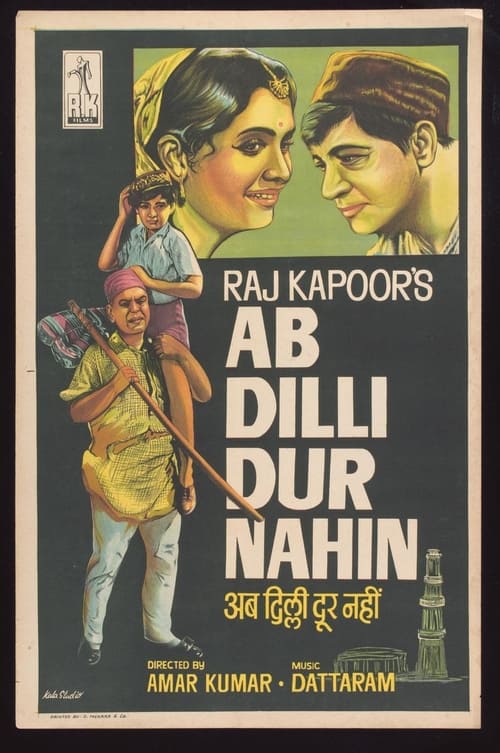
Ab Dilli Dur Nahin
1957
No user ratings available yet
Representation score: 3.5 out of 10

Representation Score
Limited
1960
Director
Bimal Roy
Runtime
136 minutes
Average Rating
No ratings yetNew Showbiz Analysis
Bimal Roy’s *The Test* is a significant work of post-colonial social realism that prioritizes collective experience over individual heroics. It uses a moral inquiry regarding a large sum of money to dissect the social fabric of rural India. The film excels in its authentic, non-Western perspective, effectively challenging the simplicity of traditional social status. It treats the cultural context of rural India as a central driver of moral tension rather than a mere backdrop. While the film lacks modern multi-layered visibility, particularly regarding LGBTQ+ themes and gender role subversion, it offers a sophisticated critique of how systemic pressures and modernization impact individuals.
Category Breakdown
The film focuses on traditional family and community structures, with no clear presence of LGBTQ+ identities or themes.
Female characters have significant psychological depth and emotional complexity. However, the film upholds mid-century social hierarchies without actively challenging patriarchal structures.
The film provides an authentic representation of the Indian rural experience, centering an indigenous cast to highlight local socioeconomic realities.
The narrative critiques modernization by highlighting the tension between traditional communal values and rapid social change, viewed through a lens of social realism.
There are no prominent depictions of physical or neurodivergent disabilities serving as central narrative drivers.
Present on Screen
Limited or Absent
Official Synopsis
The postmaster of a village receives a check for 500,000 rupees, for the purpose of bequeathing it to the village’s most upstanding citizen.
1957
1957

1966

1999

1953

2001
1989

1960
No reviews yet. Be the first to share your thoughts on this movie!
Use the rating form above to leave a star rating and optional review.