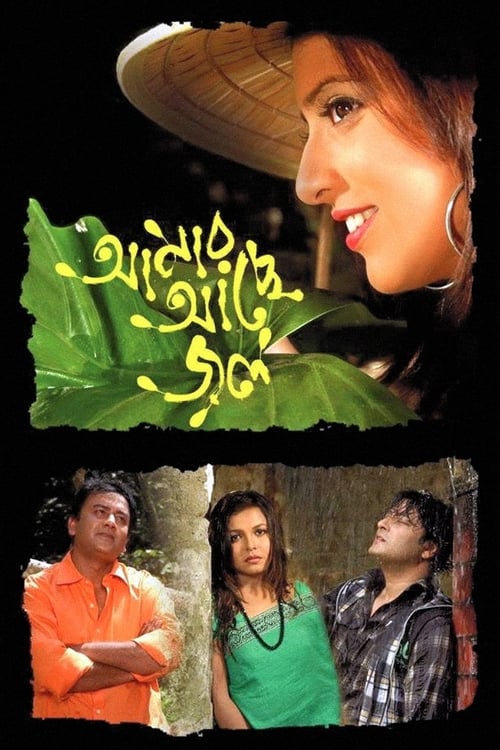
Amar Ache Jol
2008
No user ratings available yet
Representation score: 6.0 out of 10
Representation Score
Fair
1989
NOT RATEDDirector
Partha Pratim Chowdhury
Runtime
126 minutes
Average Rating
No ratings yetNew Showbiz Analysis
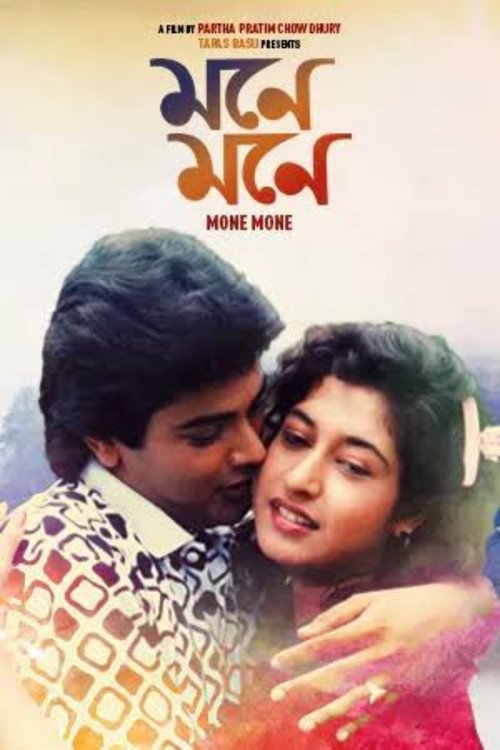
Mone Mone is a regional family drama centered around a resilient female protagonist. Kuntala's determination to avoid dependency provides a meaningful challenge to traditional gender roles, offering a more active portrayal of womanhood compared to typical period dramas. However, the film remains anchored in conventional social structures. The narrative focuses on maintaining traditional family ties and follows a standard heterosexual romantic arc, offering limited engagement with queer identities or broader social critiques. Ultimately, the film's strength lies in its depiction of female empowerment within a traditional framework, despite a lack of broader multi-layered diversity.
Category Breakdown
The film does not include any LGBTQ+ characters or non-cisgender identities. The romantic storyline follows a traditional path between Kuntala and Soumitra.
Kuntala challenges traditional passivity by taking charge of her family's welfare. She prioritizes economic independence and personal dignity over domestic submission.
The production offers a culturally specific Bengali perspective. Although the cast is ethnically uniform, it avoids Western-centric casting or whitewashing.
The story emphasizes familial duty and kinship tensions. It reinforces traditional social bonds rather than challenging them through an anti-institutional lens.
There are no characters with physical, sensory, or neurodivergent disabilities in the narrative.
Present on Screen
Limited or Absent
Official Synopsis
Shakuntala's father dies an untimely death leaving her with the responsibilities of her mother and two young brothers. She paints and works hard to run their expenses but is not ready to bow down or beg before anyone. They go to their maternal aunt Sudha’s house for her daughter’s wedding. Kuntala is angry with Sudha for not keeping in touch with them and answering her letters. Later it is revealed that Sudha’s marital family had kept the letters. Soumitra is an eligible bachelor who falls in love with Kuntala. But Kuntala avoids him.
2008
1963

1966

1999

1984

2011

1999
2005
No reviews yet. Be the first to share your thoughts on this movie!
Use the rating form above to leave a star rating and optional review.