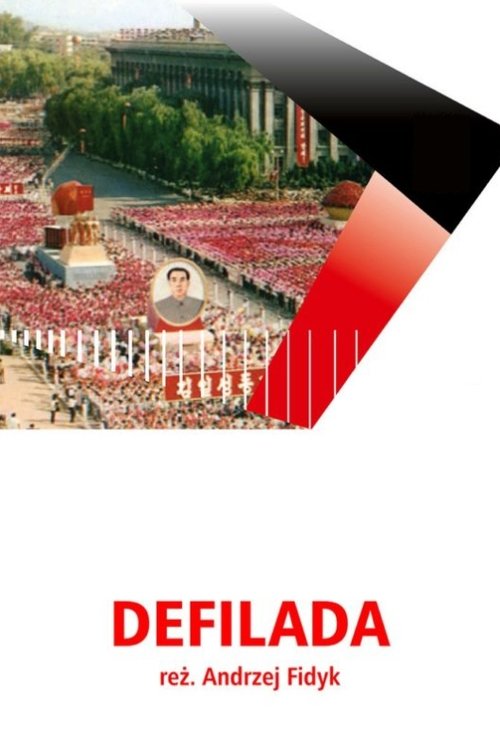
North Korea: The Parade
1989
No user ratings available yet
Representation score: 0.8 out of 10
Representation Score
Fair
2018
Director
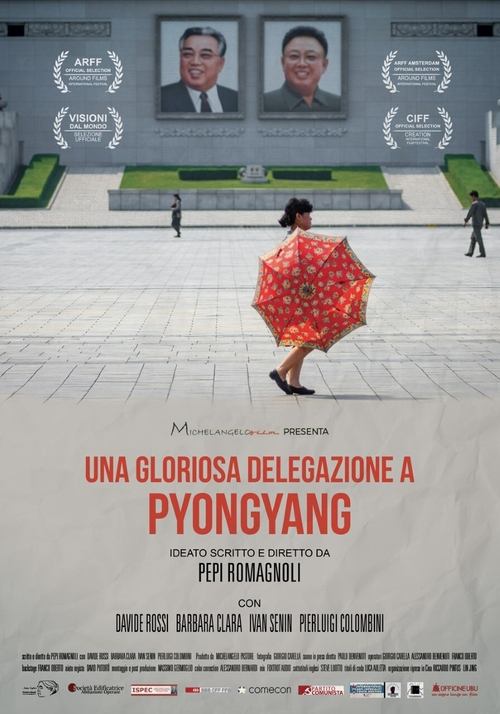
Pepi Romagnoli
Average Rating
No ratings yetNew Showbiz Analysis
This documentary offers a departure from Western-centric perspectives by focusing on a delegation to Pyongyang. Its strength lies in its geographic and cultural shift away from Anglo-Saxon norms, providing a view of a non-Western social structure. However, the film lacks visible representation of diverse identity markers. The geopolitical context of North Korea limits the presence of LGBTQ themes and gender subversion, resulting in a mid-range diversity profile. Ultimately, the work functions as a neutral observation of a specific political environment rather than a vehicle for progressive identity representation.
Category Breakdown
The film focuses on a specific political and diplomatic context in North Korea. Due to the social and legal constraints of this setting, there are no LGBTQ themes or non-cisgender identities.
The documentary likely reflects existing state hierarchies. There is no evidence of a deliberate subversion of traditional gender roles or non-traditional portrayals of masculinity and femininity.
The narrative centers on an East Asian environment, providing a non-Western perspective. However, the specific racial composition of the delegation versus the local population remains unconfirmed.
By documenting a reality outside Western capitalist frameworks, the film disrupts conventional Western expectations. It engages with social organizations that differ from singular Western moralities.
There is no evidence that disability, neurodivergence, or sensory impairments are addressed or used as narrative devices in this work.
Present on Screen
Limited or Absent
1989
2015
2001
2020

2017

2015
2015
2017
No reviews yet. Be the first to share your thoughts on this movie!
Use the rating form above to leave a star rating and optional review.