
Texas Payback
1994
No user ratings available yet
Diversity score: 2.7 out of 10
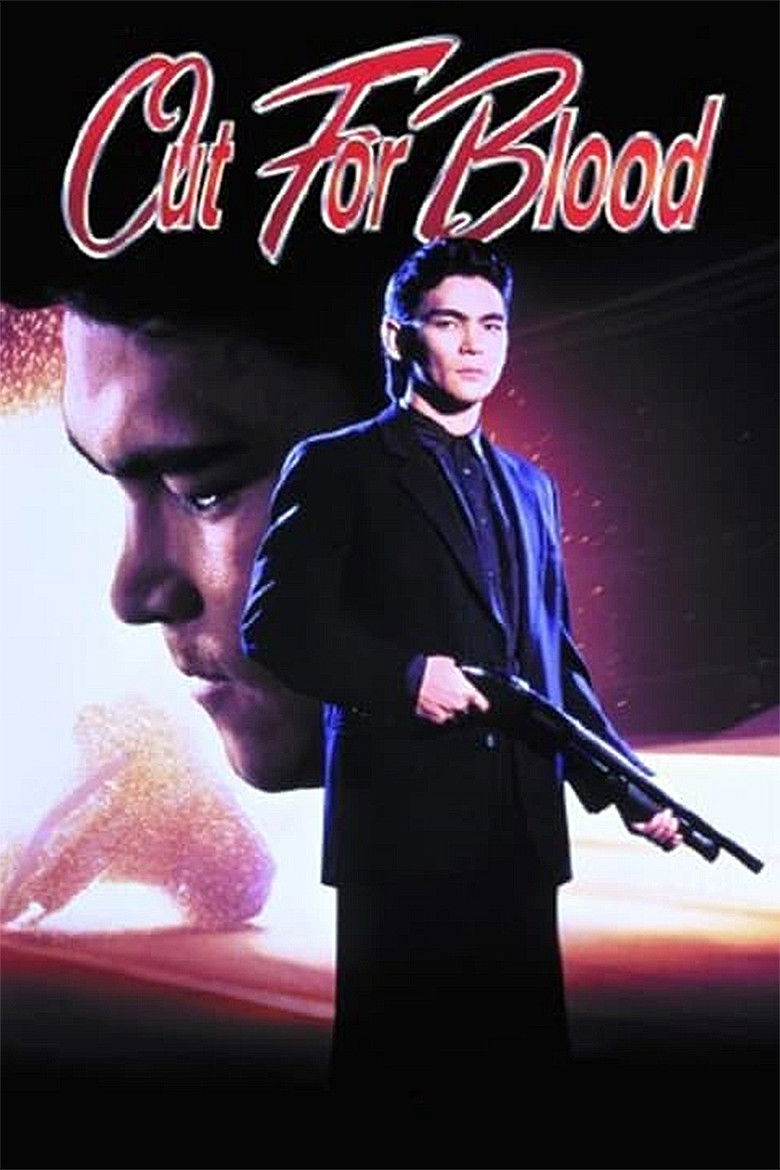
1992
RDirector
Richard W. Munchkin
Runtime
90 minutes
Average Rating
No ratings yetSynopsis
A lawyer's family is murdered by drug smugglers, and he is beaten and left for dead, but survives although in a coma. When he awakes he only has a partial memory of what happened. In order to find out the real story, he trains with a karate master and becomes a mysterious avenger known as "The Karate Man".
Overall Score
Limited
Category Breakdown
LGBTQ+ Representation
The film follows a traditional revenge arc centered on a male protagonist and his family. There is no evidence of non-cisnormative identities or narratives that critique heteronormativity.
Gender Representation
The story relies on classic masculine hero tropes, focusing on physical transformation and martial arts training. It lacks the subversion of gender hierarchies or portrayals of female dominance.
Racial & Ethnic Diversity
The narrative focuses on a singular protagonist and a conflict with drug smugglers. It suggests a conventional Western action structure without indications of a non-white majority cast.
Religious & Cultural Diversity
The plot emphasizes individual vigilantism and a clear moral dichotomy between victims and criminals. This reinforces traditional Western concepts of justice through personal retribution.
Disability Representation
The protagonist's coma and memory loss introduce elements of physical and cognitive impairment. These function primarily as plot devices to facilitate the hero's journey toward martial arts mastery.
Strengths
Areas for Improvement
AI Analysis
Out for Blood is a standard 1990s action film that prioritizes genre conventions over social complexity. The narrative is built around a singular masculine archetype, using a revenge plot to drive the character's evolution from a victim to a martial arts avenger. The film lacks engagement with intersectional identities, instead leaning into traditional Western concepts of justice and individualistic retribution. While the protagonist's temporary disability provides a narrative hook, it serves the action plot rather than offering a nuanced look at impairment. Ultimately, the film operates within a narrow framework of heteronormativity and traditional gender roles, offering little disruption to established social hierarchies.
1994
1995
1998
1989
1991
1992
1982
1976

2014

1991

1999
1998
No reviews yet. Be the first to share your thoughts on this movie!
Use the rating form above to leave a star rating and optional review.