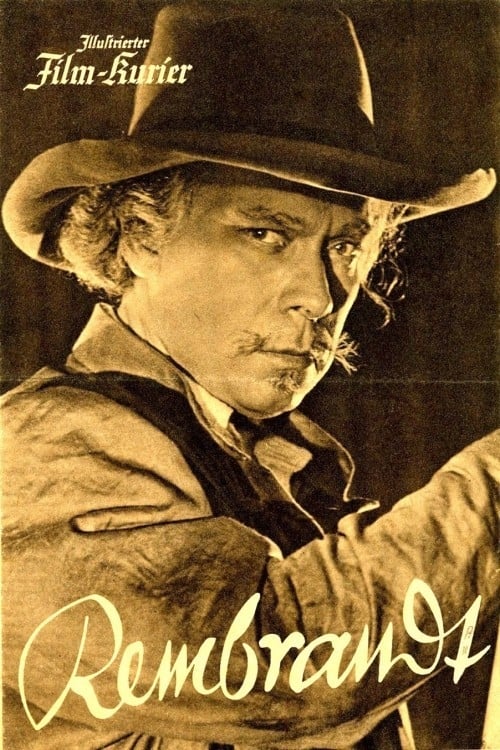
Rembrandt
1942
No user ratings available yet
Representation score: 2.1 out of 10
Representation Score
Limited
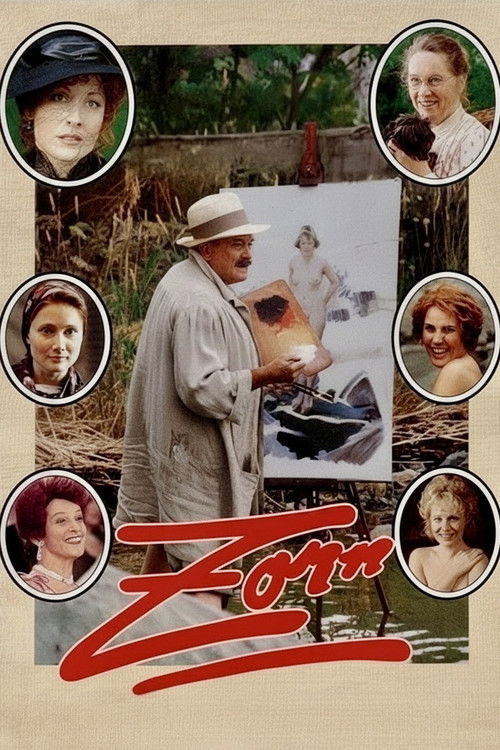
1994
Director
Gunnar Hellström
Runtime
166 minutes
Average Rating
No ratings yetNew Showbiz Analysis
Zorn is a traditional biographical drama that prioritizes historical realism and individualistic struggle over diverse representation. The narrative is driven by the personal failings and artistic pursuits of a single male figure, leaving little room for perspectives that reflect multiple aspects of identity. The film adheres strictly to the demographic norms of its period setting. While it offers a nuanced look at morality and human instinct, it does so through a conventional lens that lacks intentional subversion of social hierarchies.
Category Breakdown
The film focuses on heterosexual relationships and infidelity. There are no depictions of same-sex intimacy or non-binary gender identities.
Women primarily serve as catalysts for the male protagonist's emotional journey. The narrative centers on a dominant, self-destructive male figure and traditional gender roles.
The cast and setting appear largely homogeneous, reflecting the socio-historical context of the Swedish art scene. There is no evidence of a multi-ethnic cast.
The film explores subjective morality through a character study of an individual within established social institutions. It remains rooted in a traditional biographical drama framework.
There are no visible or invisible disabilities portrayed with ability to act or as central narrative components.
Present on Screen
Limited or Absent
Official Synopsis
Swedish painter Anders Zorn gained notoriety for his nudes. His works are currently worth millions. The film is set in the time when Zorn, already respected for his art, was commissioned to paint a portrait of the Swedish king. Though an excellent painter, Zorn's personal life is dreadful. A boozer and a womanizer who frequently cheats on his wife, Zorn constantly seeks approval for his art. When he travels to the U.S. for a tour he meets Emilie Bartlett the wife of sculptor Paul W. Bartlett with whom he begins a sporadic affair. After Paul commits suicide, Zorn and Emilie move to Sweden. Zorn disregards his wife's feelings and openly displays his affections for Emilie.
1942
1991
1936
1991
1999
1996

1988
1951
No reviews yet. Be the first to share your thoughts on this movie!
Use the rating form above to leave a star rating and optional review.