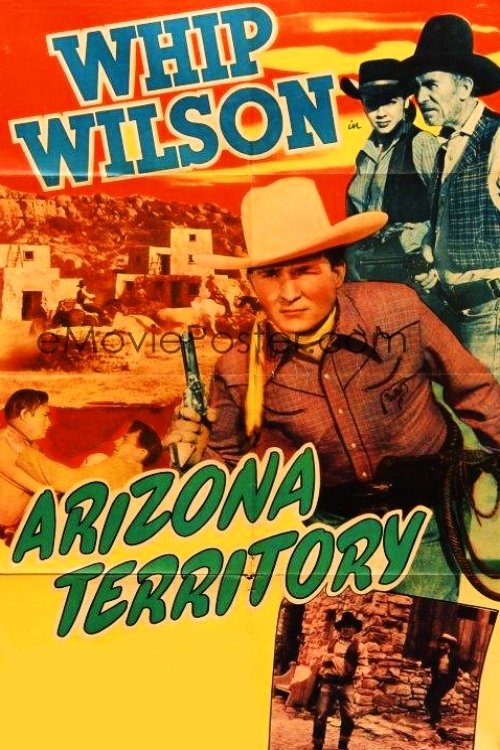
Arizona Territory
1950
No user ratings available yet
Representation score: 1.4 out of 10
Representation Score
Minimal
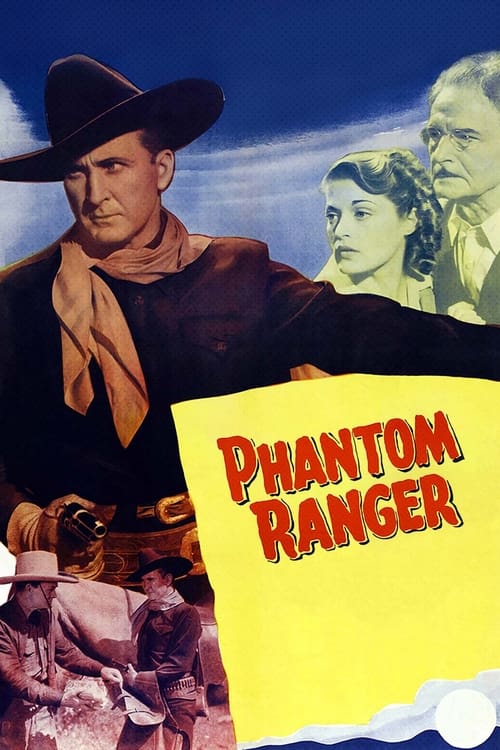
1938
ApprovedDirector
Sam Newfield
Runtime
53 minutes
Average Rating
No ratings yetNew Showbiz Analysis
Phantom Ranger is a typical example of 1930s B-movie Westerns, prioritizing straightforward genre storytelling over complex social issues. The film sticks to the era's established norms, focusing on institutional stability and traditional masculinity. The narrative structure supports patriarchal models, positioning men as the main actors and protectors. This emphasis on defending state interests, such as the Treasury Department, reflects the conservative values prevalent in Hollywood during this period. Ultimately, the film serves as a baseline for traditionalist filmmaking. It avoids challenging power dynamics or introducing diverse identities, staying within the standard conventions of the Golden Age.
Category Breakdown
The film does not include any LGBTQ+ characters or stories. It follows the social norms of 1938 and doesn't question the assumption that everyone is straight or cisgender.
The story relies on traditional Western male stereotypes, focusing on a male lawman and a male victim. Female characters are mostly in supporting roles.
The film likely centers on Anglo-Saxon characters, reflecting the homogeneous casting practices of the time. It portrays Western expansion through a single racial perspective.
The plot emphasizes protecting state institutions and enforcing law and order. It aligns with the conservative moral views of 1930s cinema.
There is no indication that disability plays a central role in the story. No characters are defined by visible or invisible disabilities.
Present on Screen
Limited or Absent
Official Synopsis
A Treasury Department engraver is being held captive by a counterfeiting gang that wants him to make counterfeit plates for them. A lawman is sent to rescue him.
1950
1937
1929
1936
1937
1937
1942
1942
No reviews yet. Be the first to share your thoughts on this movie!
Use the rating form above to leave a star rating and optional review.