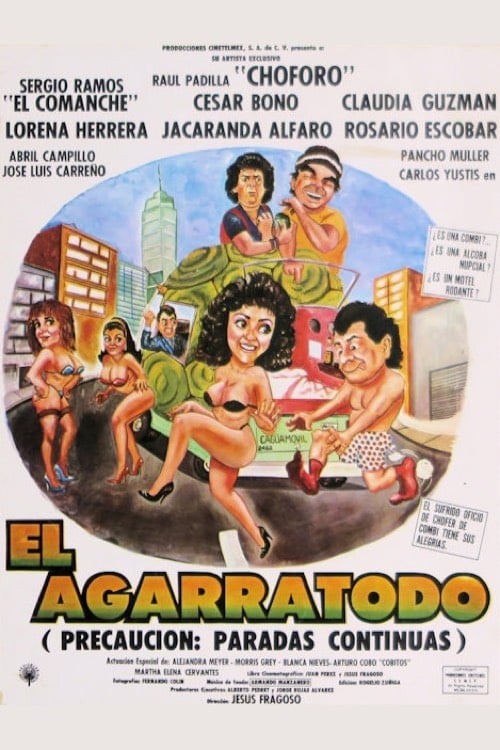
El Agarratodo
1990
No user ratings available yet
Representation score: 0.8 out of 10
Representation Score
Minimal
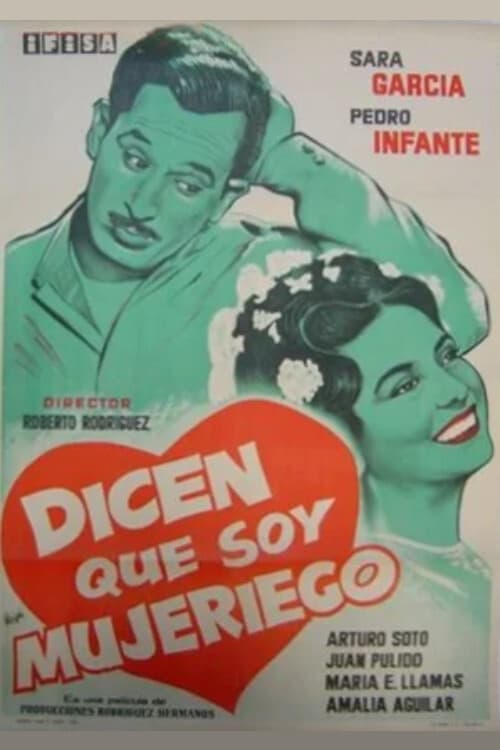
1949
Not RatedDirector
Roberto Rodríguez
Runtime
117 minutes
Average Rating
No ratings yetNew Showbiz Analysis
Dicen que soy mujeriego is a product of its 1949 era, leaning heavily into the traditional 'womanizer' cliché. The plot centers on a male protagonist's romantic indiscretions, reinforcing conventional gender roles and social hierarchies common to mid-century cinema. The film lacks intentionality regarding representation that reflects multiple aspects of identity. It focuses on a singular, straight-centered romantic conflict that prioritizes the male lead's control over diverse or complex character identities. Ultimately, the work serves as a snapshot of period-specific storytelling, adhering to established social mores rather than challenging them through diverse casting or non-traditional narratives.
Category Breakdown
The film focuses exclusively on heterosexual romantic dynamics. There is no evidence of non-straight identities or narratives that critique the assumption that everyone is straight.
The narrative structure suggests a traditional gender hierarchy. The male protagonist drives the plot through his romantic choices, while female characters function primarily as objects of pursuit.
As a Latin American production, the film possesses inherent cultural specificity. However, there is no evidence of casting that reflects multiple aspects of diversity or the disruption of ethnic hierarchies.
The story operates within the framework of traditional romantic morality. The central conflict aligns with conventional social mores rather than offering a critique of traditional values.
There is no mention of characters with visible or invisible disabilities in the narrative.
Present on Screen
Limited or Absent
Official Synopsis
Pedro has had many lovers but he only loves one of them, but this romance stop going on for his flirts with other women.
1990
1992

1986
1951
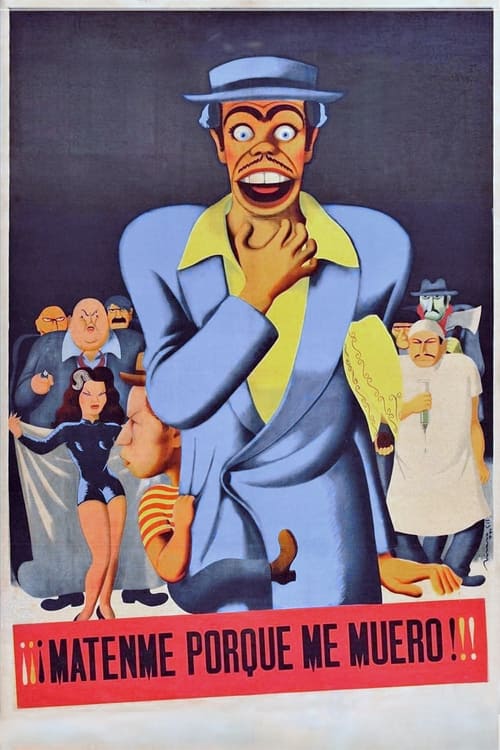
1951

1950
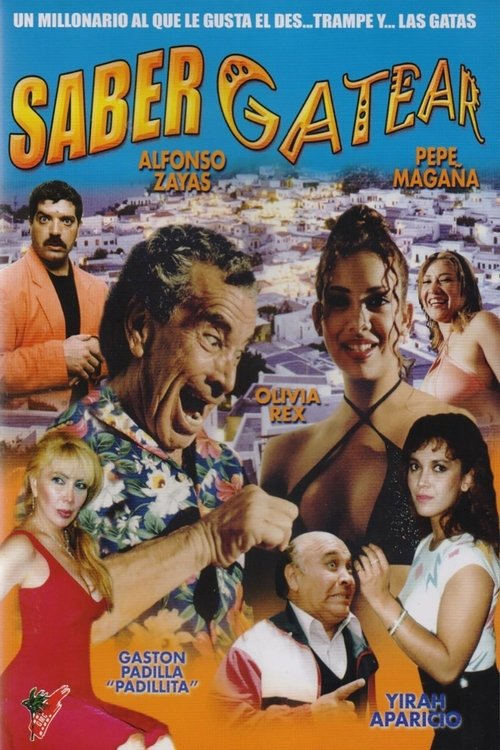
1995

1965
No reviews yet. Be the first to share your thoughts on this movie!
Use the rating form above to leave a star rating and optional review.