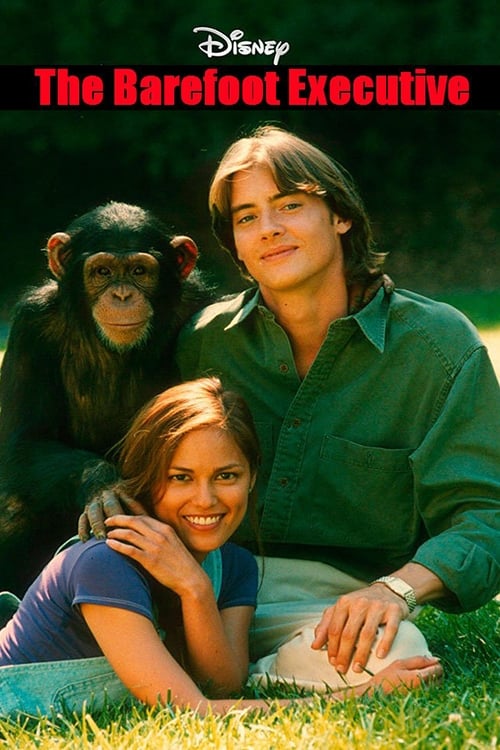
The Barefoot Executive
1995
No user ratings available yet
Representation score: 6.5 out of 10
Representation Score
Minimal
1971
GDirector
Robert Butler
Runtime
96 minutes
Average Rating
No ratings yetNew Showbiz Analysis
The Barefoot Executive is a traditional studio comedy that prioritizes escapism and genre clichés over diverse storytelling. It reinforces existing social hierarchies rather than challenging them. While the film offers a light deconstruction of formal corporate etiquette, it does not meaningfully challenge systemic power structures. The narrative remains rooted in the socioeconomically specific demographics of its time. Ultimately, the film serves as a baseline for mid-century mainstream media, characterized by a lack of intentionality regarding diverse representation or the subversion of institutional norms.
Category Breakdown
The film doesn't include any LGBTQ+ characters or non-cisgender identities. It follows the assumption that everyone is straight and cisgender.
The story focuses on a male-dominated corporate hierarchy. Women are shown in secondary roles, mainly within domestic or romantic contexts.
The casting reflects a homogeneous corporate environment typical of the era. There is no significant racial diversity in the main cast.
The film mildly critiques rigid corporate management by suggesting a more humanistic approach. However, it aligns with traditional Western success stories.
There is no visible or invisible disability representation within the main cast. Characters are depicted within standard physical and cognitive norms.
Present on Screen
Limited or Absent
Official Synopsis
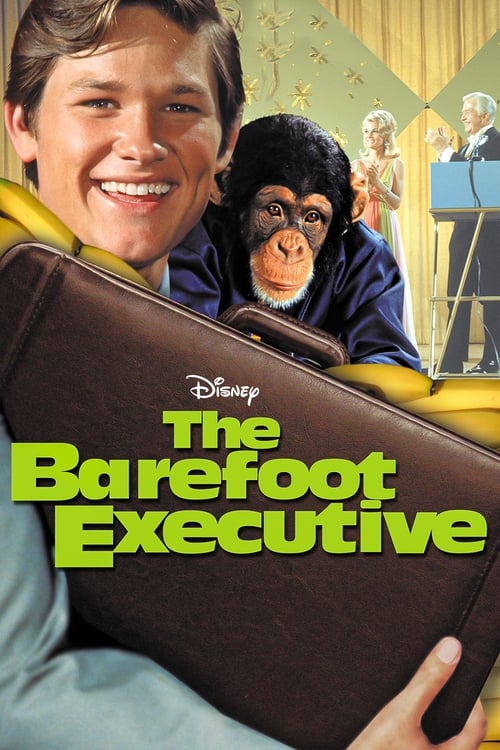
In the great Disney tradition of wild family fun, a young Kurt Russell stars as Steven Post - an ambitious mailroom clerk at a second-rate TV network. With his eye on the boardroom, and getting nowhere with the studio's top dog, he makes a career-changing discovery. His girlfriend's lovable pet chimp can pick a hit show every time! His secret for success turns into a madcap monkey business when he makes vice president and jealous rivals want in on the act. Ride along with narrow escapes and a classic cast featuring Joe Flynn and Harry Morgan in a comedic climb up the corporate ladder that will leave you howling for more!
1995
1968

1967
1987
1971
1979
1971
1987
No reviews yet. Be the first to share your thoughts on this movie!
Use the rating form above to leave a star rating and optional review.