Hawmps!
1976
No user ratings available yet
Representation score: 0.8 out of 10
Representation Score
Limited
1976
GDirector
Vincent McEveety
Runtime
96 minutes
Average Rating
No ratings yetNew Showbiz Analysis
Gus is a typical 1970s comedy that adheres to the demographic and social norms of its era. The narrative centers on a small-town setting where conflicts revolve around masculine social standing and authority. The film lacks diverse representation, particularly in terms of LGBTQ+ identities, racial diversity, and disability. It serves primarily as a character study of eccentric individuals rather than a tool for social disruption. Overall, the film reflects the era's standard demographic compositions, prioritizing traditional Western social structures over efforts to challenge or expand cultural hierarchies.
Category Breakdown
The film focuses on traditional heterosexual relationships and social structures. It does not include LGBTQ+ identities or challenge the assumption that everyone is straight or cisgender.
The film emphasizes male-dominated social dynamics and conflicts related to authority. Female characters play minor roles and do not significantly influence the plot.
The film portrays a predominantly white community typical of mid-1970s American cinema. It does not feature a diverse cast or intentionally cast actors of different races in roles traditionally played by white actors.
The story highlights the tension between unique individuals and the established community. It focuses on the conflict between social misfits and the stability of the community framework.
The film does not depict characters with visible or invisible disabilities. It lacks stories focused on characters with disabilities or neurodivergent themes.
Present on Screen
Limited or Absent
Official Synopsis
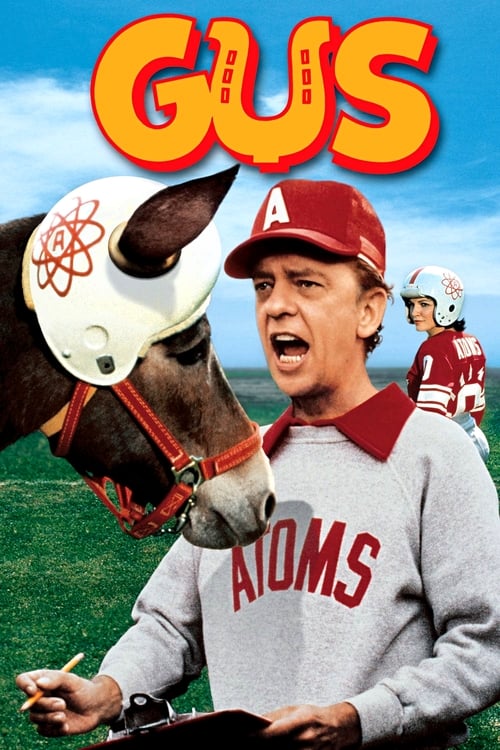
The California Atoms are in last place with no hope of moving up. But by switching the mule from team mascot to team member, (He can kick 100 yard field goals!) they start winning, and move up in the rankings, Hurrah! The competition isn't so happy.
1976
1976

1971
1994
1999
1966

1973
1968
No reviews yet. Be the first to share your thoughts on this movie!
Use the rating form above to leave a star rating and optional review.