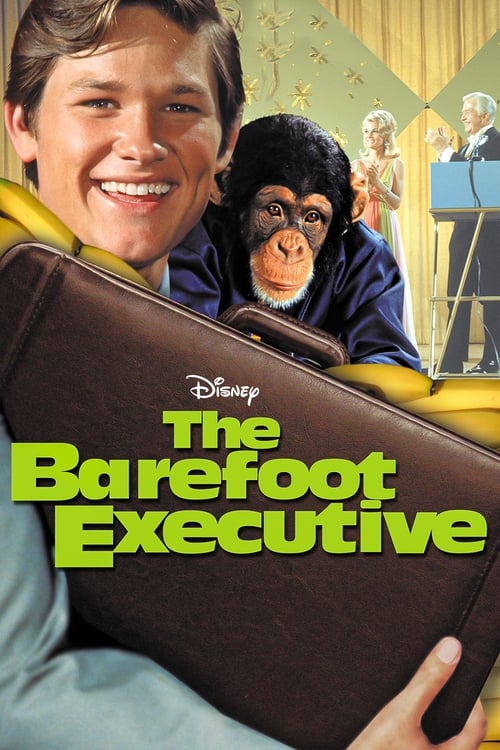
The Barefoot Executive
1971
No user ratings available yet
Representation score: 1.2 out of 10
Representation Score
Minimal
1971
GDirector
Alan Rafkin
Runtime
103 minutes
Average Rating
No ratings yetNew Showbiz Analysis
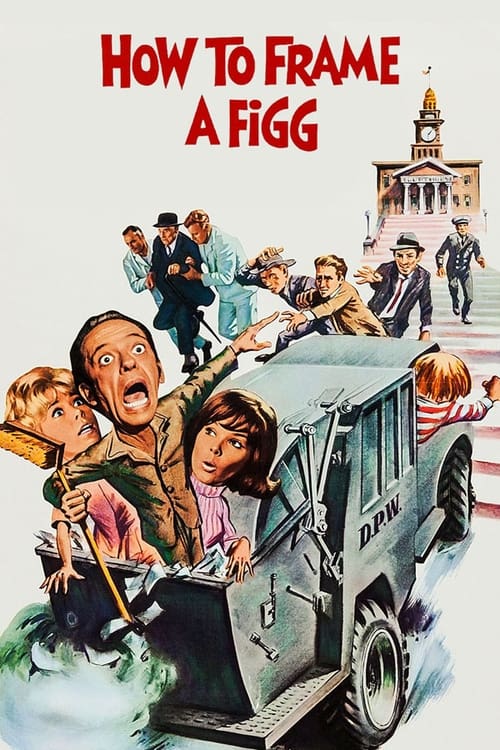
How to Frame a Figg is a character-driven comedy that emphasizes traditional storytelling over social complexity. The narrative centers on small-town political corruption and the underdog, reinforcing mid-century social hierarchies without challenging them. The film’s social landscape is largely uniform, lacking depth in representing various aspects of identity. It adheres to a standard demographic typical of 1970s domestic comedies, limiting its range of representation. While the film critiques civic integrity, it does so within a framework that upholds existing power dynamics. Its humor often hinges on the protagonist's perceived lack of sophistication.
Category Breakdown
The film does not include any LGBTQ+ characters or identities outside of traditional heterosexual norms. The narrative stays within conventional social structures.
The film features male characters who hold the majority of political influence and plot development. Female characters play minor roles, with few complex arcs or a significant role in driving the story.
The cast and setting are predominantly white, reflecting a homogeneous small-town American community. It presents a standard, non-diverse social environment.
The film examines communal corruption and situational ethics within a Western context. It portrays the dysfunction of local institutions through a standard framework.
The main character is portrayed as having intellectual limitations, which sometimes leads to comedic situations that may stereotype individuals with cognitive differences.
Present on Screen
Limited or Absent
Official Synopsis
Don Knotts is Hollis Figg, the dumbest bookkeeper in town. When the city fathers buy a second-hand computer to cover up their financial shenanigans, they promote Figg to look after things, knowing he'll never catch on. Their plan backfires when Figg becomes self-important and accidentally discovers their plot.
1971

1964
1996
1940
1969
1969
1938
1975
No reviews yet. Be the first to share your thoughts on this movie!
Use the rating form above to leave a star rating and optional review.