Red Lights
2012
No user ratings available yet
Representation score: 4.3 out of 10
Representation Score
Limited
1996
PG-13Director
David Twohy
Runtime
115 minutes
Average Rating
No ratings yetNew Showbiz Analysis
The film operates as a high-concept paranoid thriller that excels in its skepticism of authority. By depicting government institutions as conspiratorial, it offers a sophisticated critique of systemic transparency. However, the social representation is limited by the era's cinematic conventions. The lack of diverse casting and the absence of LGBTQ+ or disability-focused narratives result in a narrow demographic scope. Ultimately, while the film provides meaningful intellectual control for its female lead, it remains a traditional mainstream production that avoids broader social or systemic explorations.
Category Breakdown
The film does not include any LGBTQ+ characters or narratives. The social environment is strictly oriented towards straight relationships without challenging traditional norms.
Madeleine Stowe’s character is an intellectual peer to the protagonist rather than a damsel in distress. While the male lead drives the plot, she maintains professional control and influence.
The casting is predominantly homogeneous, adhering to 1990s studio standards. The film does not explore race or ethnicity as a thematic element.
The narrative effectively criticizes institutional power by portraying government agencies as deceptive. However, it does not extend to broader critiques of capitalism or Western dominance.
There are no prominent depictions of physical, sensory, or neurodivergent disabilities. The film does not address the roles or experiences of disabled individuals.
Present on Screen
Limited or Absent
Official Synopsis
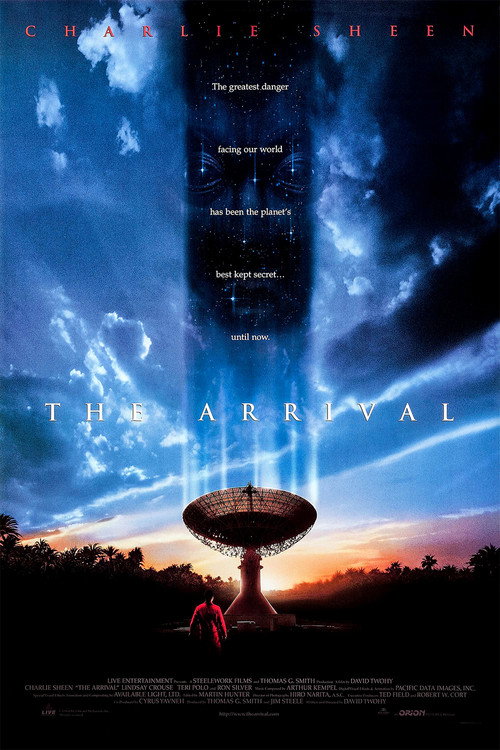
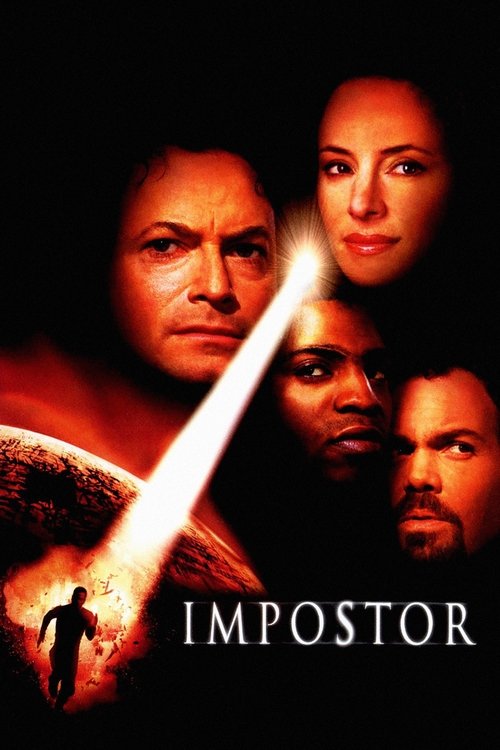
Zane Ziminski is an astrophysicist who receives a message that seems to have extraterrestrial origins. Eerily soon after his discovery, Zane is fired. He then embarks on a search to determine the origins of the transmission that leads him into a Hitchcockian labyrinth of paranoia and intrigue.
2012
1993
2019
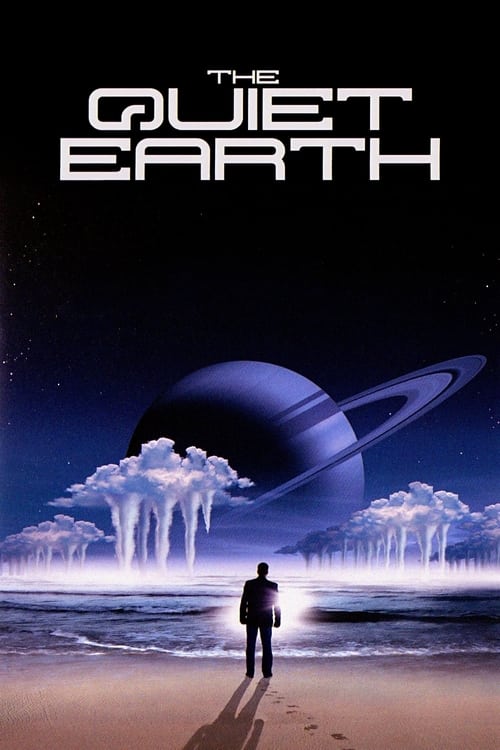
1985
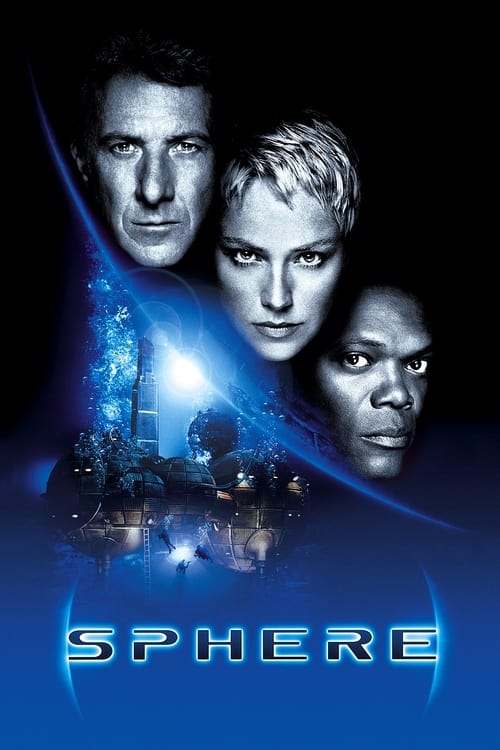
1998
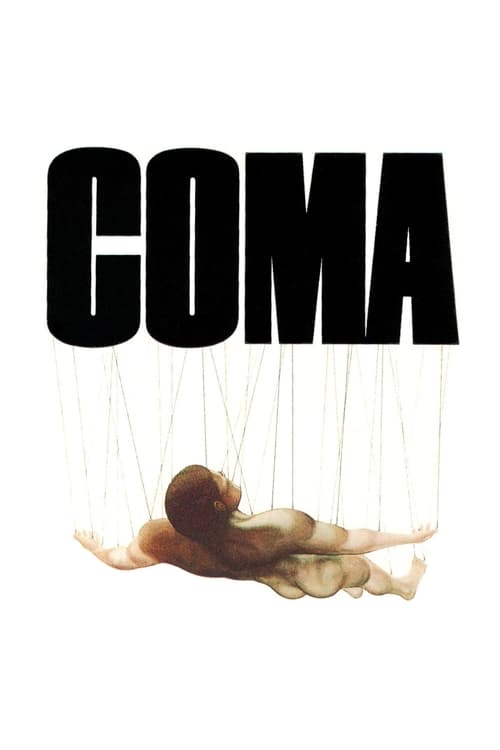
1978
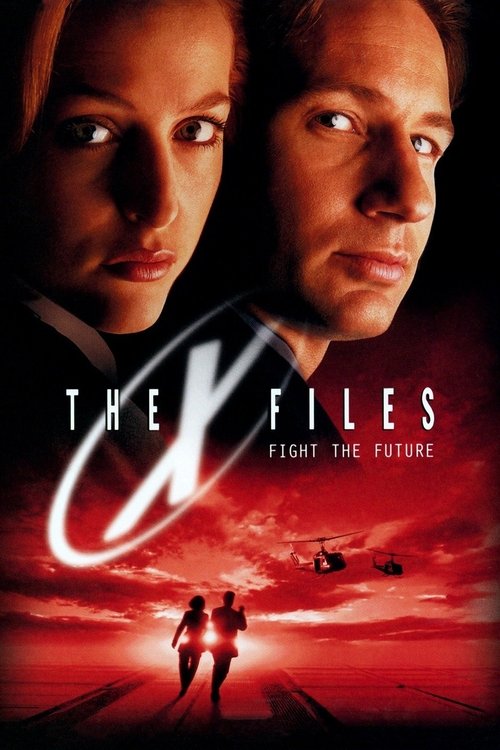
1998
2001
No reviews yet. Be the first to share your thoughts on this movie!
Use the rating form above to leave a star rating and optional review.