
The Conjuring
2013
No user ratings available yet
Representation score: 2.5 out of 10
Representation Score
Fair
2012
RDirector
Rodrigo Cortés
Runtime
114 minutes
Average Rating
No ratings yetNew Showbiz Analysis
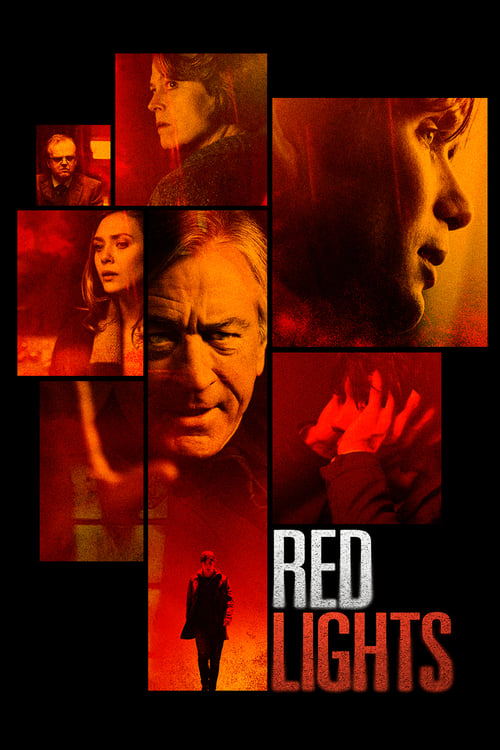
Red Lights is a sophisticated psychological thriller that prioritizes intellectual conflict over demographic breadth. It succeeds in subverting gender hierarchies by positioning a female academic in a role of supreme authority and ability to act. However, the film remains demographically narrow. The narrative focuses on the deconstruction of truth rather than the deconstruction of social hierarchies, resulting in a largely homogeneous cast of Western academics. While the portrayal of disability is nuanced and avoids common clichés, the lack of racial and LGBTQ+ diversity keeps the overall score low.
Category Breakdown
The film does not include any LGBTQ+ characters and does not explore non-straight relationships. The interpersonal dynamics focus on professional skepticism and psychological obsession rather than queer-coded subtext.
Dr. Margaret Matheson provides strong representation as a veteran intellectual authority. The film avoids submissive stereotypes, presenting a woman whose intellect serves as the story's foundational logic.
The cast and central character arcs are predominantly white and Western. The narrative lacks intentional racial blending or non-Anglo-Saxon perspectives within the scientific community.
The story engages with postmodern themes of truth and moral relativism. It operates within a secular framework rather than critiquing systemic religious or capitalist oppression.
Simon Silver offers a complex portrayal of blindness tied to his psychic identity. The film avoids inspiration porn, treating his impairment as a functional reality in a psychological game.
Present on Screen
Limited or Absent
Official Synopsis
Two investigators of paranormal hoaxes, the veteran Dr. Margaret Matheson and her young assistant, Tom Buckley, study the most varied metaphysical phenomena with the aim of proving their fraudulent origins. Simon Silver, a legendary blind psychic, reappears after an enigmatic absence of 30 years to become the greatest international challenge to both orthodox science and professional sceptics. Tom starts to develop an intense obsession with Silver, whose magnetism becomes stronger with each new manifestation of inexplicable events. As Tom gets closer to Silver, tension mounts, and his worldview is threatened to its core.
2013
1957
2018

2011
1996
2006
2018
1982
No reviews yet. Be the first to share your thoughts on this movie!
Use the rating form above to leave a star rating and optional review.