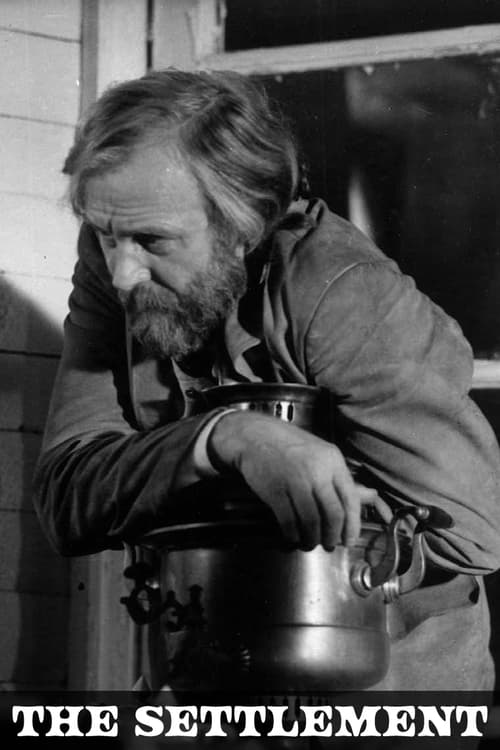
The Settlement
2001
No user ratings available yet
Representation score: 4.4 out of 10

Representation Score
Fair
2013
Director
Sergei Loznitsa
Runtime
20 minutes
Average Rating
No ratings yetNew Showbiz Analysis
Sergei Loznitsa’s documentary offers a haunting, observational study of a remote Russian village and its mental asylum. It captures a population living on the fringes of modern civilization, intertwined with their deteriorating surroundings. The film’s strength lies in its critique of institutional stability and the decay of communal living. However, it lacks demographic diversity, focusing on a specific, isolated geographic location which results in a homogeneous ethnic profile and the absence of LGBTQ+ narratives or gender subversion.
Category Breakdown
There is no representation of LGBTQ+ identities or narratives in the film. The remote setting does not include any queer presence or challenges to straight relationships.
Gender roles in the film are influenced by traditional societal norms. Characters are shaped by their socioeconomic environment, reflecting the static social norms of the post-Soviet era.
The cast is predominantly made up of Eastern Europeans. The lack of diversity reflects the isolated nature of the specific Russian village rather than a conscious narrative choice.
The film critically examines the decay of communal living and the breakdown of social cohesion. It provides a deep insight into a society where survival has replaced traditional civic virtues.
The documentary provides a somber look at mental health through its setting in a remote asylum. It portrays inhabitants as existential figures rather than using their condition as a spectacle.
Present on Screen
Limited or Absent
Official Synopsis
A remote village in the Northwest of Russia. A mental asylum is located in an old wooden house. The place and its inhabitants seem to be untouched by civilization. In this pristine setting, no articulate human voice is heard, and pain is muted. The landscapes and buildings are not so much inhabited as lightly entwined and then passed through by their anonymous residents, like some creeping mist. Phantoms half stuck, half undone in a phantom world—lost persons from a lost society?
2001
2015
2003
2013
2002
2018
2006

2017
No reviews yet. Be the first to share your thoughts on this movie!
Use the rating form above to leave a star rating and optional review.