
In Which We Serve
1942
No user ratings available yet
Representation score: 0.8 out of 10
Representation Score
Minimal
1954
NRDirector
John Boulting, Roy Boulting
Runtime
92 minutes
Average Rating
No ratings yetNew Showbiz Analysis
Seagulls Over Sorrento is a product of its time, focusing on wartime logistics and situational comedy. The narrative structure emphasizes mid-century British perspectives over exploring identity politics. While the Italian setting introduces cultural variety, the film relies on traditional colonial-era clichés. Local characters provide atmosphere rather than driving the plot through diverse backgrounds. Overall, the film maintains a conventional approach to social hierarchy. It lacks the intentionality needed to challenge established gendered or social norms.
Category Breakdown
The film does not include any identifiable LGBTQ+ characters or narratives. The social dynamics align closely with mid-century traditionalism.
The narrative follows standard 1950s gender hierarchies. Women play minor roles and do not challenge the masculine leadership typical of post-war dramas.
The Italian setting introduces cultural variety through socioeconomic contrasts. However, local characters mainly serve as a backdrop for the English protagonists.
The film reflects traditional Western cultural values from the mid-century era. It upholds institutions like patriotism and family without questioning them.
The film does not depict any visible or invisible disabilities among the characters or in the plot progression.
Present on Screen
Limited or Absent
Official Synopsis
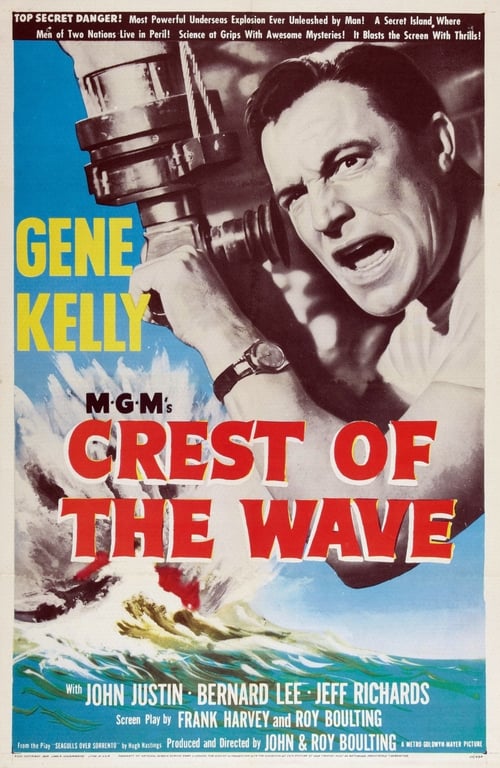
A Navy lieutenant is borrowed by the British to supervise torpedo experiments after one of their scientists is killed.
1942
1946
1946
1958
1944
1955
1954

1946
No reviews yet. Be the first to share your thoughts on this movie!
Use the rating form above to leave a star rating and optional review.