For the Defense
1930
No user ratings available yet
Representation score: 2.5 out of 10
Representation Score
Minimal
1937
PassedDirector
Edward Killy, Christy Cabanne
Runtime
72 minutes
Average Rating
No ratings yetNew Showbiz Analysis
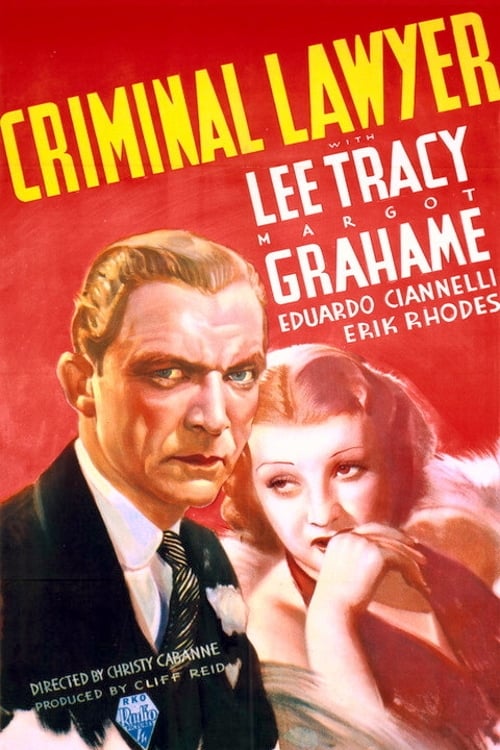
Criminal Lawyer is a conventional 1937 crime drama that prioritizes genre clichés over social subversion. The narrative structure centers on masculine leadership and traditional power structures, leaving little room for diverse perspectives. The film adheres to the era's standard social norms, focusing on individual moral failings within a Western legal framework. It lacks depth in reflecting multiple aspects of identity, reinforcing established hierarchies rather than challenging them. Ultimately, the production serves as a product of the studio system, emphasizing professional and political authority held by the male protagonist.
Category Breakdown
The film follows a strictly heterosexual storyline, focusing entirely on romantic pairings between the male protagonist and two female characters.
Gender hierarchies are reinforced through male-dominated institutional power. While Madge Carter plays a significant role in driving the story, Betty Walker is depicted as a manipulative, spoiled woman.
The cast appears homogeneous, focusing on Western legal and social structures. There is no indication of diverse ethnic backgrounds or non-Anglo-Saxon casting.
The narrative operates within a traditional framework of Western institutional morality. It emphasizes legal systems and political ambition rather than systemic critiques of social order.
There is no evidence of characters possessing visible or invisible disabilities. The film lacks any depiction of neurodivergence or chronic illness.
Present on Screen
Limited or Absent
Official Synopsis
Barry Brandon, a criminal lawyer, visits the night club of Denny Larkin, his primary client, with Betty Walker, a spoiled society girl. The police raid the club and Brandon pleads that the whole group is guilty, just to get even with Larkin for a rebuke. On the same night in court, Madge Carter is on trial for disorderly conduct, and Brandon volunteers to defend her, and proves the case against her if a frame-up. Finding that she is penniless, Brandon hires her as his secretary, and falls in love with her. Brandon is appointed district attorney and has ambitions of becoming the state governor. Having dinner at Betty's home, she maneuvers him, while he is drunk, into marrying her. Later, Madge is a witness when Larkin shoots down a fellow gangster. By threatening Brandon's life, he forces her to commit perjury at his trial, and say he fired in self-defense. Brandon, the prosecuting attorney (who has had his marriage to Betty annulled) knows she is lying but doesn't know why.
1930

1932
1932
1937
1937

1939
1932
1936
No reviews yet. Be the first to share your thoughts on this movie!
Use the rating form above to leave a star rating and optional review.