
First Love
2006
No user ratings available yet
Diversity score: 2.5 out of 10
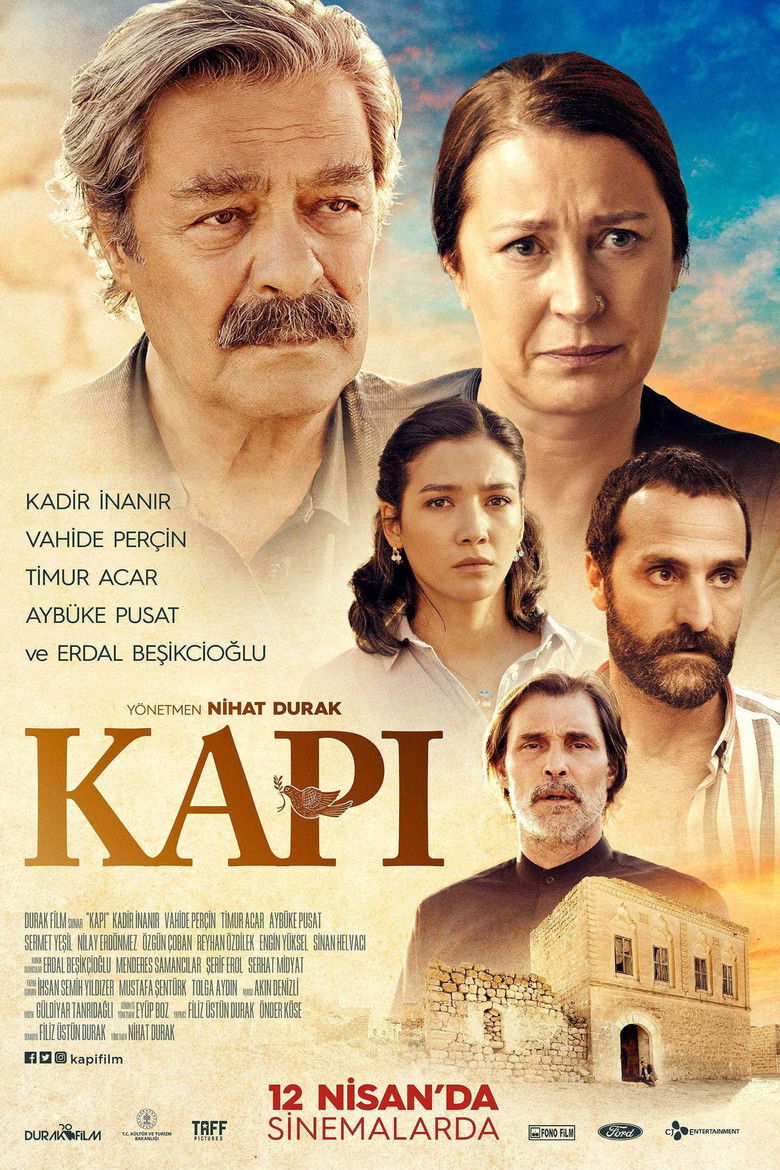
2019
Director
Nihat Durak
Runtime
110 minutes
Average Rating
No ratings yetSynopsis
Yakup and Şemsa are Assyrians living in Berlin with their three children and grandchildren. Twenty-five years ago they migrated from Mardin to Berlin. One day they receive a phone call from Mardin. This unexpected call deals with their son Mikhael, whom they lost twenty-five years ago. All the suffering of the family is refreshed. Yakup and Şemsa go to Mardin with their grandchildren, Nardin, who do not want to leave them alone. This trip will be the beginning of all their personal journeys. When the craftsman Yakup, who had not come for years, abandoned his village and saw his house looted; He will go after his house door. On his journey of finding the door, he will be accompanied by her granddaughter Nardin and the smuggler Remzi.
Overall Score
Good
Category Breakdown
LGBTQ+ Representation
The film focuses on familial structures and ethnic heritage. There is no explicit mention of LGBTQ+ characters or narratives addressing non-heteronormative identities.
Gender Representation
The story explores matriarchal and patriarchal roles within an immigrant family. Şemsa and Yakup serve as central figures, though the film follows standard dramatic depictions of family dynamics.
Racial & Ethnic Diversity
The narrative excels by centering the Assyrian diaspora. By following migrants from Mardin to Berlin, the film disrupts Western-centric cinematic norms through high-level ethnic specificity.
Religious & Cultural Diversity
The plot explores themes of displacement and the tension between migration and heritage. It offers a complex, non-Western perspective on identity and the preservation of minority history.
Disability Representation
There is no evidence regarding the portrayal of physical or neurodivergent disabilities within the narrative.
Strengths
Areas for Improvement
AI Analysis
Opening the Door is a culturally specific drama that prioritizes the Assyrian experience over mainstream Western tropes. It succeeds by centering a marginalized ethnic group and exploring the nuances of displacement and ancestral connection. The film's strength lies in its refusal to adhere to Anglo-Saxon-centric storytelling. By tracing a journey from Berlin back to Mardin, it provides a meaningful platform for exploring intersectional identities and the complexities of the diaspora. However, the film lacks engagement with LGBTQ+ identities and provides no information regarding disability representation. While it excels in ethnic specificity, it remains within traditional frameworks for gender and sexual orientation.
2006
2019
2000

2019
2019
2011
2015

2017
2014

2016

2021

2021
No reviews yet. Be the first to share your thoughts on this movie!
Use the rating form above to leave a star rating and optional review.