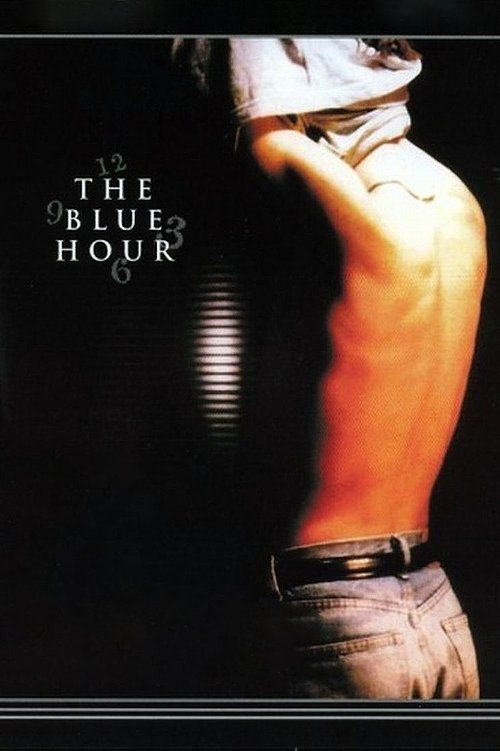
The Blue Hour
1992
No user ratings available yet
Representation score: 3.8 out of 10

Representation Score
Excellent
1991
Director
Hugh Harrison
Runtime
90 minutes
Average Rating
No ratings yetNew Showbiz Analysis
Jerker provides a nuanced exploration of queer intimacy, moving beyond simple representation to examine the fragility of underrepresented social networks. By focusing on the emotional impact of loss, the film avoids traditional domestic clichés in favor of existential realism. While the film excels in its portrayal of LGBTQ+ connection, it lacks broader diversity. The narrative remains centered on a narrow, male-focused emotional journey, with illness serving as a primary source of dramatic tension.
Category Breakdown
The film focuses on a queer relationship, delving into the complexities of intimacy and emotional dependence. It challenges traditional expectations by highlighting the shift from casual phone calls to a meaningful emotional bond.
The story unfolds within a male-dominated world but deconstructs the typical stoic male stereotype. It emphasizes emotional intelligence and vulnerability over conventional masculine dominance.
The film seems to concentrate on a localized interpersonal drama. There is no clear indication of a diverse cast or broad representation of different racial or ethnic backgrounds.
The story explores themes of personal morality and the challenges of life during the HIV/AIDS crisis. It prioritizes secular, individual connections rather than traditional family or religious structures.
Illness plays a significant role in the narrative, particularly through the sudden sickness and disappearance of Bert. However, it is unclear whether disability is portrayed as a source of ability to act or merely as a plot device.
Present on Screen
Limited or Absent
Official Synopsis
The movie, adapted from Robert Chesley's homoerotic play of the same title, revolves around two men who started out as phone sex buddies who grew on each other through time. The fragility of this kind of relationship is put to fore when Bert (Tom Wagner) got sick and couldn't return his calls. J.R. was left with nothing to hold on to but blank hope. No warning. No goodbye. Bert is gone.
1992
1970

1998

1987

1997

1987

1999

2012
No reviews yet. Be the first to share your thoughts on this movie!
Use the rating form above to leave a star rating and optional review.