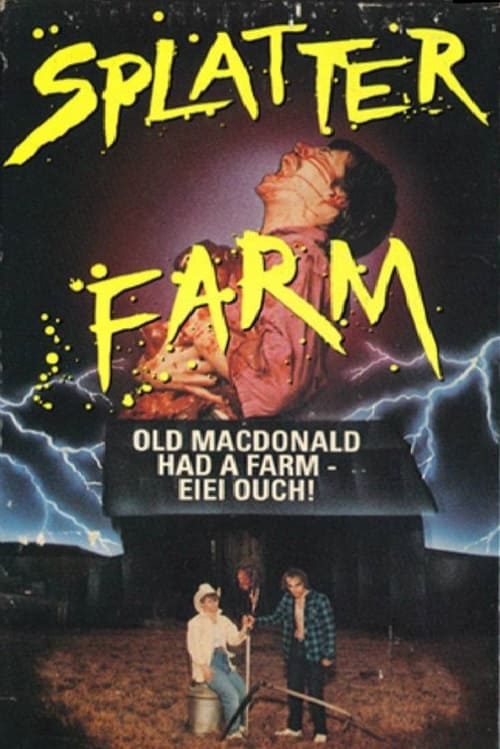
Splatter Farm
1987
No user ratings available yet
Representation score: 0.5 out of 10
Representation Score
Minimal
1987
Not RatedDirector
Bill Rebane
Runtime
88 minutes
Average Rating
No ratings yetNew Showbiz Analysis
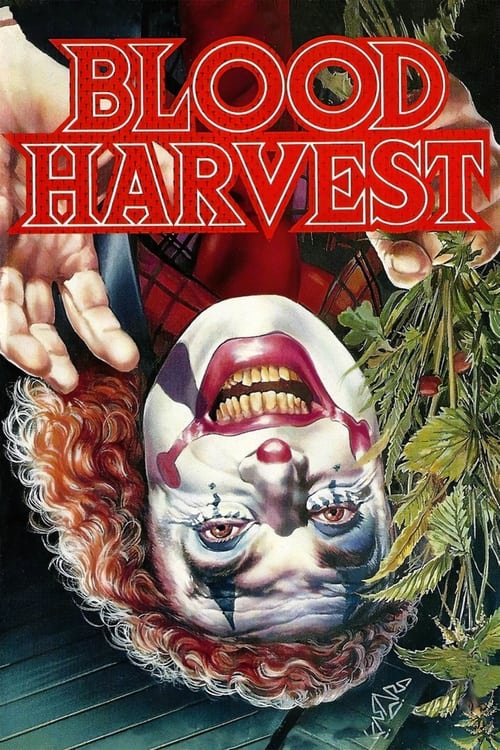
Blood Harvest follows the conventions of its era, functioning as a typical genre piece that upholds the status quo rather than challenging it. The film lacks intentionality regarding diversity, resulting in a homogenous social landscape. The cast and narrative structure prioritize traditional archetypes over diverse representation. Ultimately, the production focuses on genre-standard storytelling within a rural setting, offering very little in the way of social or cultural disruption.
Category Breakdown
The film does not feature any LGBTQ+ characters or narratives. There is no indication of queer subtext or engagement with non-straight identities.
Female characters are mainly portrayed as victims of violence. Although the protagonist has some influence, the film does not challenge traditional gender roles.
The cast is mostly white, reflecting the homogeneous demographics of 1980s regional horror. The characters adhere to a typical, non-diverse rural American stereotype.
The story centers on a localized, rural community without addressing broader cultural critiques. It lacks complexity around moral relativism or the deconstruction of Western institutions.
There are no characters with visible or invisible disabilities. The narrative does not represent neurodivergent or physically disabled individuals.
Present on Screen
Limited or Absent
Official Synopsis
A college student returns home to find her parents missing, and their home vandalized. Soon, matters take a turn for the worse, when she finds herself stalked, and her friends disappearing one by one.
1987
1972
2018

2025

1987
1984
2004
1983
No reviews yet. Be the first to share your thoughts on this movie!
Use the rating form above to leave a star rating and optional review.