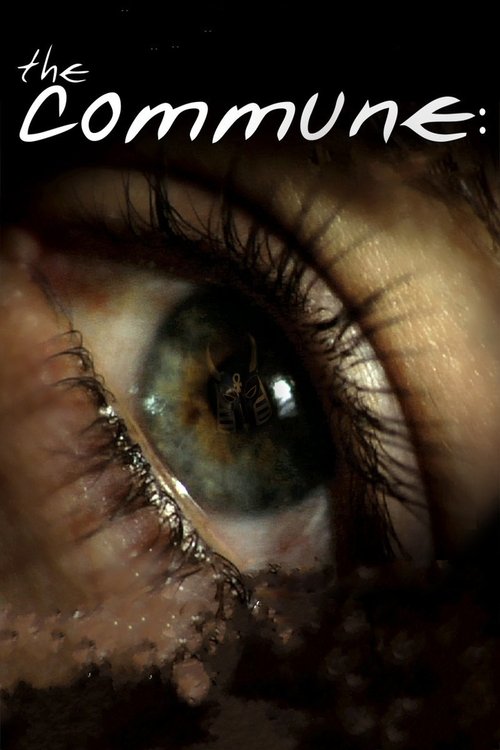
The Commune
2009
No user ratings available yet
Representation score: 4.1 out of 10

Representation Score
Good
2025
RDirector
Eli Craig
Runtime
96 minutes
Average Rating
No ratings yetNew Showbiz Analysis
Clown in a Cornfield makes a notable stride in LGBTQ+ representation by normalizing same-sex intimacy and identity within a genre historically resistant to such inclusion. This explicit presence provides a refreshing departure from the assumption that everyone is straight or cisgender, offering a more inclusive viewing experience that feels organic to the narrative rather than a checklist exercise. Gender dynamics present a more complex picture. While Quinn Maybrook serves as an active, investigative protagonist who subverts the traditional passive 'final girl' stereotype, the film retains elements of traditional hierarchy. The presence of male authority figures and the strained father-daughter dynamic suggest that while women's ability to drive the story is present, broader social structures remain largely conventional. The film’s diversity profile is significantly limited by its lack of racial and disability representation. The predominantly white cast reflects the setting’s demographic reality but fails to challenge racial norms or offer overlapping aspects of identity. Similarly, the absence of disability representation reinforces the able-bodied norm typical of the genre, highlighting both progress and persistent gaps.
Category Breakdown
The film includes a gay character and depicts a same-sex kiss, which helps normalize LGBTQ+ presence. This inclusion challenges the assumption that everyone is straight or cisgender, making the representation feel integrated rather than superficial.
Quinn Maybrook actively investigates the plot, subverting the passive 'final girl' stereotype. However, traditional gender dynamics persist through the strained father-daughter relationship and the dominance of male authority figures like the mayor and doctor. These dynamics highlight the ongoing influence of conventional gender roles.
The cast is predominantly white, reflecting the small-town Missouri setting but offering little progressive racial representation. The lack of non-white characters with significant roles limits the film’s ability to address overlapping aspects of identity or challenge Anglo-centric narratives.
The narrative critiques local corruption and economic decline through the lens of a declining industrial town. While it portrays fragmented community institutions, the cultural critique remains within standard horror conventions without advancing a broader progressive ideological framework.
There is no significant representation of visible or invisible disabilities in the main cast. The narrative focuses on physical survival and supernatural threats, failing to address neurodivergence or mental health. This reinforces the idea that everyone is able-bodied, typical of the genre.
Present on Screen
Limited or Absent
Official Synopsis
Quinn and her father have just moved to the quiet town of Kettle Springs hoping for a fresh start. Instead, she discovers a fractured community that has fallen on hard times after the treasured Baypen Corn Syrup Factory burned down. As the locals bicker amongst themselves and tensions boil over, a sinister, grinning figure emerges from the cornfields to cleanse the town of its burdens, one bloody victim at a time.
2009
2020
2022
2023

2019
2022
2020

2001
No reviews yet. Be the first to share your thoughts on this movie!
Use the rating form above to leave a star rating and optional review.