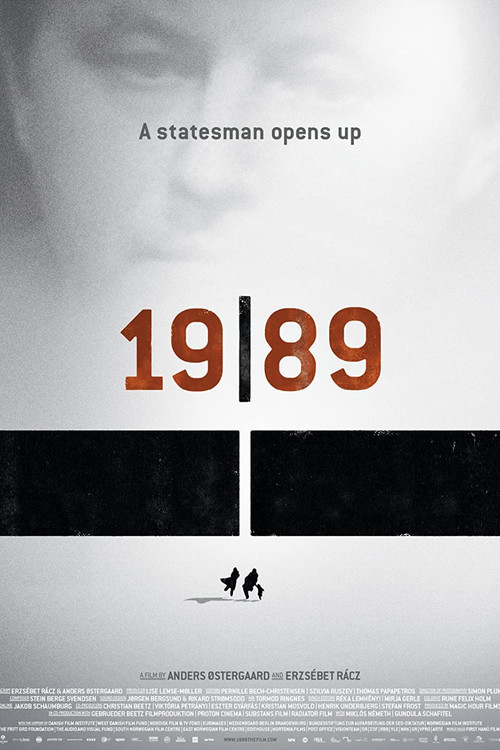
1989
2014
No user ratings available yet
Representation score: 3.2 out of 10
No Poster Available
Representation Score
Fair
2004
Director
Stanislav Milota, Jaromír Kallista
Runtime
7 minutes
Average Rating
No ratings yetNew Showbiz Analysis
Jan 69 is a historical documentary that prioritizes systemic political shifts over individual identity politics. Its narrative is built upon archival footage and historical testimony regarding the socio-political landscape of 1969 Czechoslovakia. The film lacks representation of diverse identities, focusing instead on the masculine hierarchies of governance and the homogeneous ethnic demographics of Central Europe. It does not provide visibility for LGBTQ+ identities or diverse racial backgrounds. However, the work excels in its cultural critique. It effectively documents the friction between local sovereignty and oppressive state control, challenging established institutional hierarchies through its historical lens.
Category Breakdown
The film focuses on macro-political movements and state-level interventions. There is no explicit focus on LGBTQ+ narratives or identities.
The narrative prioritizes state actors and military figures, roles traditionally dominated by men. There is no evidence of a deliberate challenge to traditional gender roles.
The visual and narrative landscape is largely homogeneous, reflecting the ethnic demographics of Czechoslovakia. The film does not engage with diverse racial backgrounds.
The documentary critiques traditional power structures and the imposition of external authority. It highlights the tension between national sovereignty and centralized political systems.
A score cannot be assigned due to a lack of evidence regarding physical disability or neurodivergence. The focus remains on political history.
Present on Screen
Limited or Absent
2014
1998

2017
2012
2018
2024
2019
1994
No reviews yet. Be the first to share your thoughts on this movie!
Use the rating form above to leave a star rating and optional review.