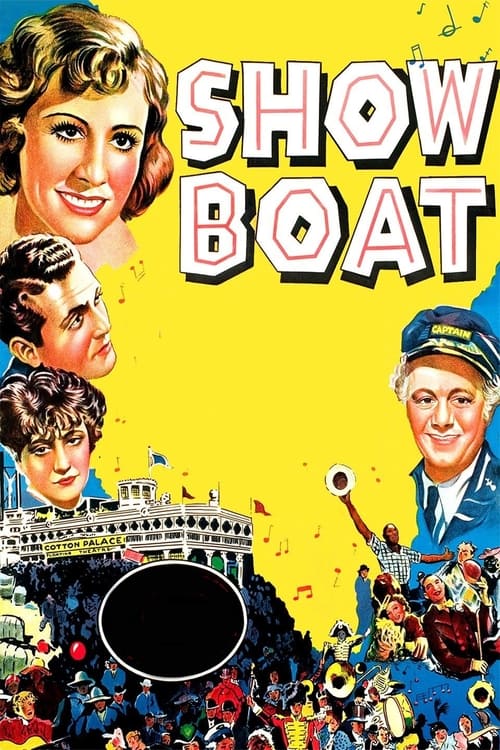
Show Boat
1936
No user ratings available yet
Diversity score: 5.5 out of 10

1951
NRDirector
George Sidney
Runtime
107 minutes
Average Rating
No ratings yetSynopsis
A dashing Mississippi river gambler wins the affections of the daughter of the owner of the Show Boat.
Overall Score
Fair
Category Breakdown
LGBTQ+ Representation
The film lacks LGBTQ+ characters or non-heteronormative identities. Romantic arcs focus exclusively on traditional heterosexual pairings within the era's established norms.
Gender Representation
Magnolia Hawks is granted significant emotional depth and a complex personal journey. However, her arc remains tied to conventional romantic milestones and standard gendered frameworks.
Racial & Ethnic Diversity
The narrative provides a tragic exploration of racial identity through Julie LaVerne. It critiques systemic exclusion and the enforcement of racial hierarchies in the Mississippi River setting.
Religious & Cultural Diversity
The film critiques Western social institutions by framing segregationist laws as a source of human tragedy. It prioritizes the critique of institutional injustice over social stability.
Disability Representation
There are no significant depictions of visible or invisible disabilities within the narrative.
Strengths
Areas for Improvement
AI Analysis
Show Boat (1951) functions as a complex mid-century musical that uses its narrative to deconstruct social hierarchies. While it maintains the polished aesthetic and romantic tropes of the MGM era, it refuses to treat the racial status quo as a moral baseline. The film's primary strength is its willingness to highlight the systemic cruelty of the early 20th century. By centering the displacement of a mixed-race woman, the story moves beyond simple musical entertainment to offer a critique of oppressive social structures. However, the film remains limited by its adherence to traditional gender roles and a lack of representation for LGBTQ+ identities or characters with disabilities.
1936

1947
1945
1955
No reviews yet. Be the first to share your thoughts on this movie!
Use the rating form above to leave a star rating and optional review.