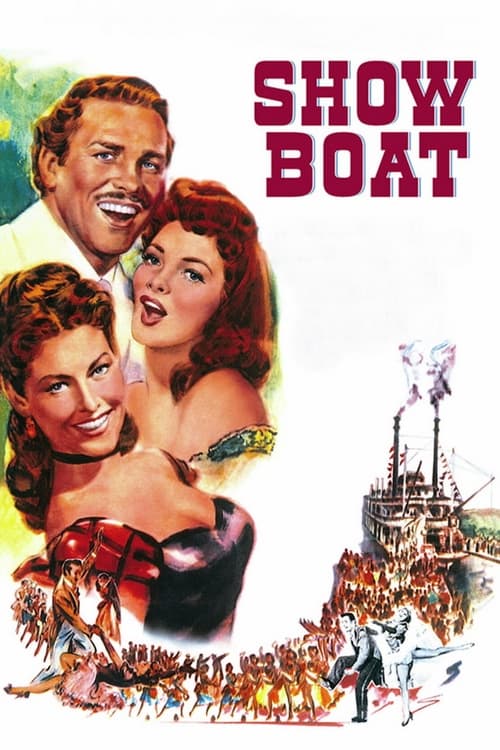
Show Boat
1951
No user ratings available yet
Representation score: 3.5 out of 10
Representation Score
Limited
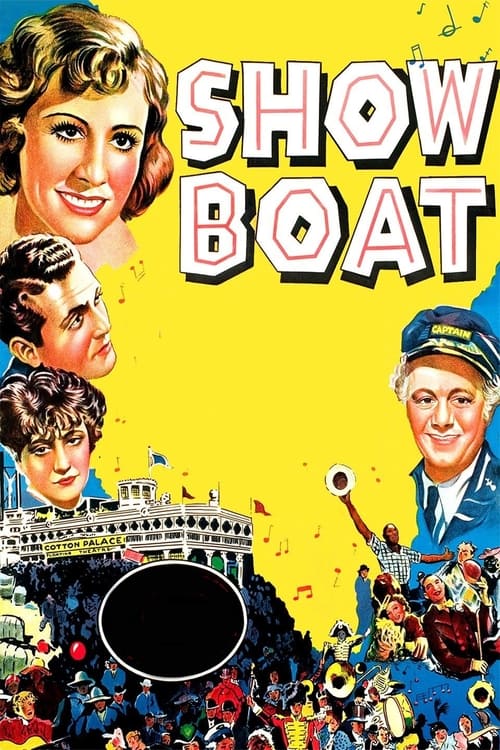
1936
ApprovedDirector
James Whale
Runtime
113 minutes
Average Rating
No ratings yetNew Showbiz Analysis
James Whale’s 1936 adaptation is a complex work that uses the musical genre to critique systemic racial hierarchies. While it adheres to the era's traditional romantic clichés, it stands out for its refusal to present a sanitized version of the American South. The film's strength lies in its bold exploration of racial identity and the systemic oppression caused by the one-drop rule. By centering the conflict on the social ostracization of mixed-race characters, it challenges the homogeneous casting norms of the 1930s. However, the film remains limited by its lack of LGBTQ+ representation and its heavy reliance on traditional heterosexual melodrama. It functions as a progressive critique of its time while still being tied to the period's conventional social structures.
Category Breakdown
The film does not include any LGBTQ+ characters or non-straight relationships. Romantic storylines are confined to traditional heterosexual couples.
Female characters such as Magnolia have significant emotional and professional development. The film explores female autonomy within a patriarchal society, likely passing the Bechdel test.
The story focuses on Julie, a mixed-race character, to criticize the systemic oppression faced by those subject to the one-drop rule. It avoids presenting a sanitized view by highlighting the tragic social consequences of miscegenation.
The film portrays Jim Crow-era social structures as sources of suffering rather than righteousness. It uses the outsider status of performers to critique rigid Southern institutions.
There are no prominent depictions of visible or invisible disabilities that serve as central plot drivers or character studies.
Present on Screen
Limited or Absent
Official Synopsis
Despite her mother's objections, the naive young daughter of a show boat captain is thrust into the limelight as the company's new leading lady.
1951
1933

1934
1936

1934

1933

1929
1934
No reviews yet. Be the first to share your thoughts on this movie!
Use the rating form above to leave a star rating and optional review.