
Extrañas Salvajes
1988
No user ratings available yet
Representation score: 5.1 out of 10
Representation Score
Fair
1982
Director
Paolo Agazzi
Runtime
83 minutes
Average Rating
No ratings yetNew Showbiz Analysis
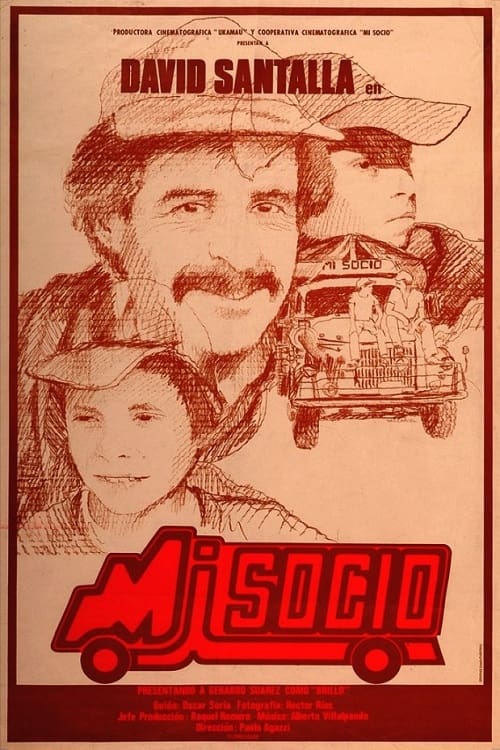
Paolo Agazzi’s film is a regional character study that uses a cross-class friendship to explore Bolivia's complex social hierarchies. The journey from Santa Cruz to La Paz symbolizes navigating different ethnic and economic landscapes. The film's strength lies in its exploration of geography and social class through the relationship between a truck driver and his assistant. It avoids relying on typical Hollywood clichés and instead focuses on local, non-Western perspectives. However, the narrative lacks diversity in terms of gender and sexual orientation. The focus remains on a male-centric duo, with little room for female representation or LGBTQ+ themes.
Category Breakdown
The film focuses on a close friendship between two men without any romantic or sexual undertones. There is no indication of LGBTQ+ themes or non-straight identities.
The story revolves around a male protagonist and his male assistant, with no significant female characters or female-driven plotlines.
The film showcases Bolivia's diverse ethnic communities by moving from the tropical lowlands to the Andean highlands. It emphasizes local experiences over Western perspectives.
The film examines class differences and economic disparities through the story of a worker. It highlights local social structures and class mobility.
There are no characters with visible or hidden disabilities mentioned in the synopsis.
Present on Screen
Limited or Absent
Official Synopsis
The story of the friendship between a truck driver and a shoeshine boy who occasionally becomes his assistant when they travel together from the agro-industrial area of Santa Cruz to the high Andean basin of La Paz in a truck named "Mi Socio".
1988

2010

1990

1962

1968

1993

2026

1995
No reviews yet. Be the first to share your thoughts on this movie!
Use the rating form above to leave a star rating and optional review.