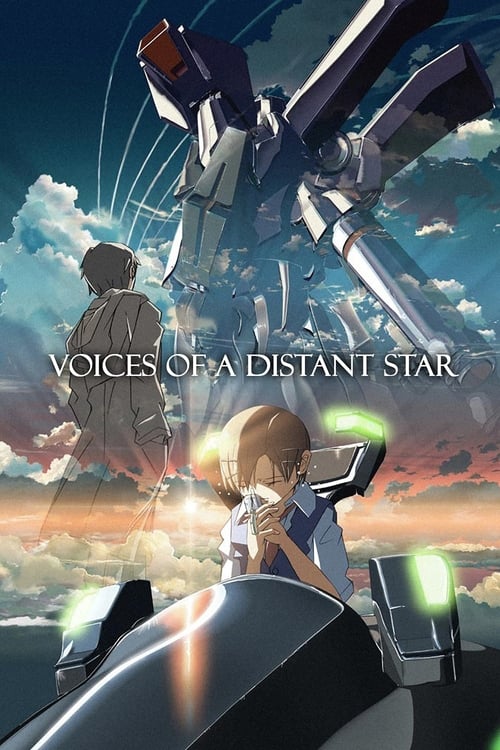
Voices of a Distant Star
2002
No user ratings available yet
Representation score: 2.2 out of 10
Representation Score
Fair
2004
TV-PGDirector
Makoto Shinkai
Runtime
90 minutes
Average Rating
No ratings yetNew Showbiz Analysis
Makoto Shinkai’s film is a deeply atmospheric meditation on longing and distance. It prioritizes the emotional interiority of its protagonists over overt sociopolitical commentary, resulting in a narrative that feels intensely personal rather than systemic. While the film lacks explicit representation of underrepresented groups such as LGBTQ+ individuals or people with disabilities, it finds complexity in its setting. The division of Japan by foreign powers introduces a subtle post-colonial subtext regarding sovereignty and national identity. Ultimately, the work functions as a study of how large-scale geopolitical shifts impact individual ability to act and human connection, using a speculative landscape to explore the fragmentation of identity.
Category Breakdown
The story focuses on a romantic relationship between Takuya and Sayoko, operating within traditional romantic frameworks and lacking any representation of non-binary gender identities or critiques of the assumption that everyone is straight or cisgender.
Sayoko plays a central role in driving the plot with significant emotional depth. While the ability to act is balanced among the three main characters, the film follows established coming-of-age clichés.
The cast is ethnically uniform, reflecting the Japanese setting. A post-colonial subtext exists through the division of Japan by the Union and the United States, highlighting issues of sovereignty and national identity.
The film explores geopolitical fragmentation and lost autonomy through a divided Japan. It prioritizes personal truth and subjective experience over institutional or religious morality.
There is no significant evidence of visible or invisible disabilities. The narrative focus remains on the psychological effects of separation and the physical journey.
Present on Screen
Limited or Absent
Official Synopsis
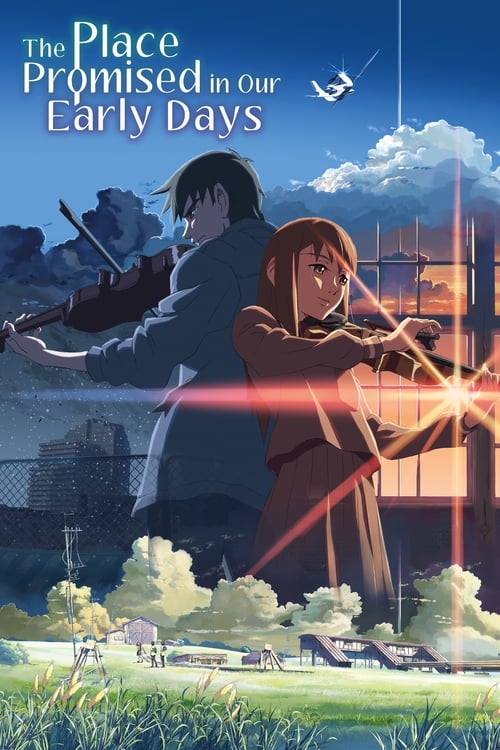
In a post-war alternative timeline, Japan is divided into the North, controlled by the Union, and the South, controlled by the United States. A mysterious high tower rises within the borders of the Union. Three high school students promise to cross the border with a self-built airplane and unravel the secret of the tower.
2002
1987

2011

2008
1999
2007

2019

2022
No reviews yet. Be the first to share your thoughts on this movie!
Use the rating form above to leave a star rating and optional review.