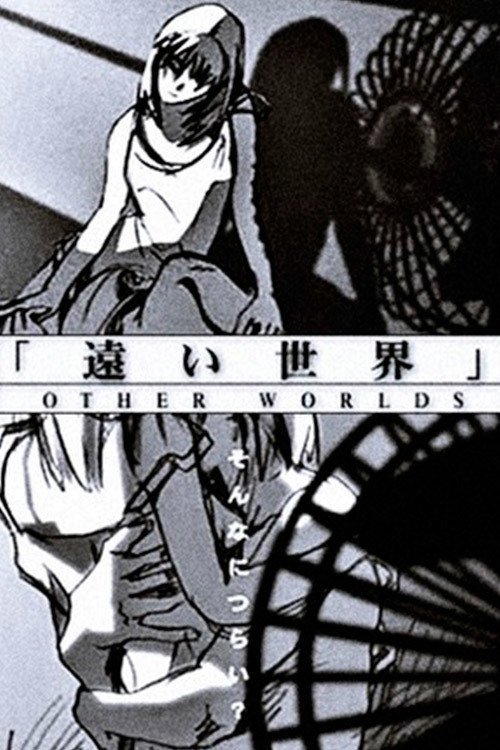
Other Worlds
1999
No user ratings available yet
Representation score: 4.8 out of 10

Representation Score
Limited
2007
TV-PGDirector
Makoto Shinkai
Runtime
63 minutes
Average Rating
No ratings yetNew Showbiz Analysis
Makoto Shinkai’s film is a contemplative exploration of distance and time, emphasizing atmospheric storytelling over sociopolitical commentary. It excels at capturing internal psychological landscapes and the universal ache of lost connections. However, the demographic focus is narrow, centered on a homogeneous Japanese cast and traditional romantic clichés, offering limited space for diverse identities. Ultimately, while the work is visually precise, it does not use its medium to challenge social norms or provide a platform for diverse lived experiences.
Category Breakdown
The film focuses solely on heterosexual relationships and does not include any queer subtext or non-cisgender identities.
The protagonists navigate their own emotional journeys actively, but the film avoids challenging traditional gender roles and instead emphasizes shared sadness.
The cast is predominantly Japanese, presenting a homogeneous cultural backdrop. The film lacks the broad representation of different racial and cultural backgrounds found in more globally diverse productions.
The story offers a secular, naturalist view of life, avoiding critiques of social institutions. It treats the challenges of adulthood as an inevitable part of growing up.
There are no prominent depictions of physical, neurodivergent, or mental health disabilities. Character struggles are framed through existential themes rather than lived disability experiences.
Present on Screen
Limited or Absent
Official Synopsis
Three moments in Takaki's life: his relationship with Akari and their forced separation; his friendship with Kanae, who is secretly in love with him; the demands and disappointments of adulthood, an unhappy life in a cold city.
1999

2020

2021

2018

2013

1993
1999
2007
No reviews yet. Be the first to share your thoughts on this movie!
Use the rating form above to leave a star rating and optional review.