Cosmos Pink Shock
1986
No user ratings available yet
Representation score: 5.4 out of 10
Representation Score
Limited
2002
TV-PGDirector
Makoto Shinkai
Runtime
25 minutes
Average Rating
No ratings yetNew Showbiz Analysis
Makoto Shinkai’s work excels in atmospheric storytelling, using time dilation to explore human isolation. It achieves strong emotional impact through innovative techniques and poetic tragedy. However, the film follows traditional narrative structures, prioritizing a conventional romantic storyline over diverse identity explorations or social critiques. Ultimately, the film is a deeply personal drama. It excels as an emotional study of relativity but remains conventionally representative in demographic terms.
Category Breakdown
The story centers on a heterosexual relationship between the main characters. There are no hints of LGBTQ+ identities or non-traditional gender roles.
Mikako breaks traditional gender roles by serving as the high-stakes interstellar pilot. Meanwhile, Noboru stays in a more traditional domestic role, while Mikako drives the primary narrative.
The setting is culturally uniform, featuring characters within a specific Japanese social context. The film does not include diverse cultural or multi-layered casting.
The narrative is mostly apolitical and secular, focusing on physics and emotions. It avoids social or religious critiques, emphasizing personal existential themes.
There are no physical or neurodivergent disabilities shown. The characters’ main struggles revolve around the temporal and spatial challenges of interstellar travel.
Present on Screen
Limited or Absent
Official Synopsis
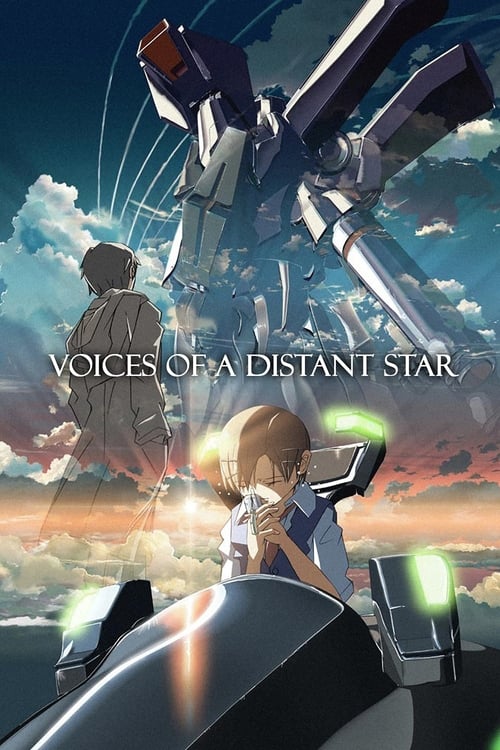
It is 2046 when a mysterious alien force begins their annihilation of the human race. Leaving behind the one person she loves, Mikako joins the interstellar battle as a pilot. And so - while Mikako risks her life to save mankind - Noboru waits. The two lovers, worlds apart, desperately strive to remain connected as the gap between them widens at a frightening pace.
1986
2025
1999
2019
2003
2012
2004
2007
No reviews yet. Be the first to share your thoughts on this movie!
Use the rating form above to leave a star rating and optional review.