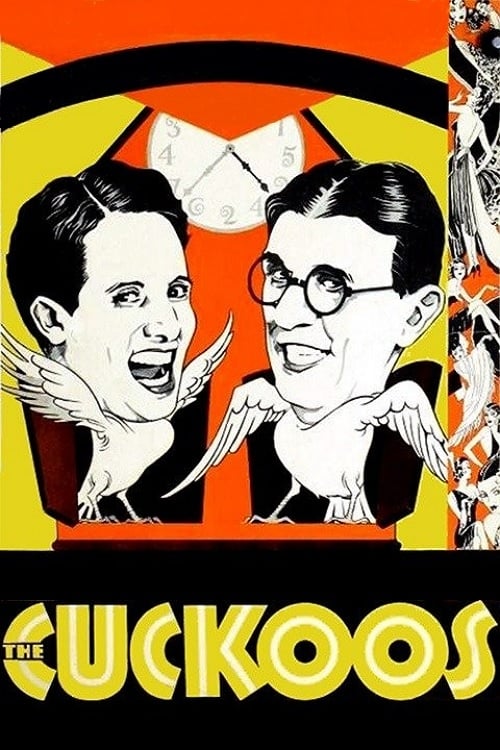
The Cuckoos
1930
No user ratings available yet
Diversity score: 2.8 out of 10

1916
PassedDirector
Rube Miller
Runtime
7 minutes
Average Rating
No ratings yetSynopsis
Rube Miller & Ben Turpin enters a harem.
Overall Score
Limited
Category Breakdown
LGBTQ+ Representation
The film utilizes a harem trope common in early cinema. This setup relies on a heteronormative gaze and lacks any evidence of non-cisnormative identities.
Gender Representation
The narrative centers on a male protagonist navigating a space of women. Women appear to function as passive objects or comedic foils to male agency.
Racial & Ethnic Diversity
The setting implies an Orientalist framework. Portrayals likely lean on exoticized stereotypes and cultural caricature rather than authentic agency.
Religious & Cultural Diversity
The film uses a Western-centric, comedic interpretation of Eastern cultures. It treats non-Western settings as a backdrop for Western comedic escapism.
Disability Representation
There is no documented evidence regarding the portrayal of physical or neurodivergent disabilities in this work.
Strengths
Areas for Improvement
AI Analysis
Poultry à la Mode is a product of its era, prioritizing slapstick entertainment over social critique. The film relies heavily on established comedic tropes that reinforce traditional hierarchies and cultural exoticism. The narrative architecture follows the conventions of 1916 silent comedy. It utilizes the harem motif to drive the plot, which inherently positions the male protagonist as the primary driver of action. Ultimately, the film functions as a piece of broad escapism. It lacks intentional subversion of identity-based norms, instead leaning into the period's penchant for caricature and heteronormative dynamics.
1930
1914
1941
1937
1934
1935
1937
1935

1909
1929
1919
1934
No reviews yet. Be the first to share your thoughts on this movie!
Use the rating form above to leave a star rating and optional review.