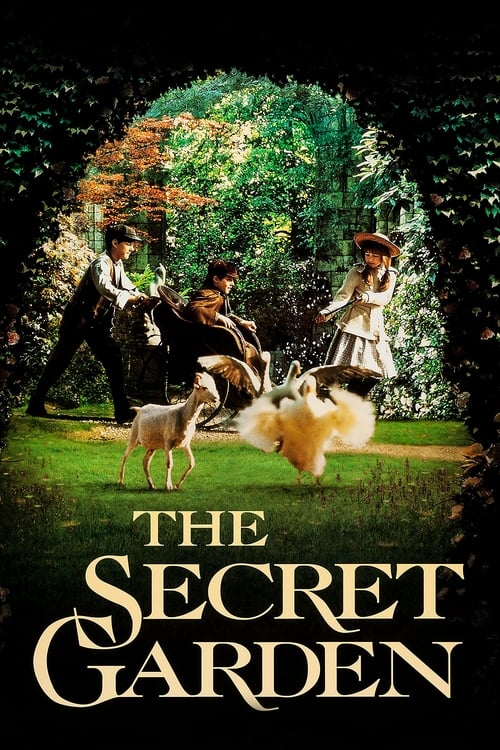
The Secret Garden
1993
No user ratings available yet
Representation score: 4.9 out of 10
Representation Score
Limited
2000
GDirector
Michael Tuchner
Runtime
100 minutes
Average Rating
No ratings yetNew Showbiz Analysis
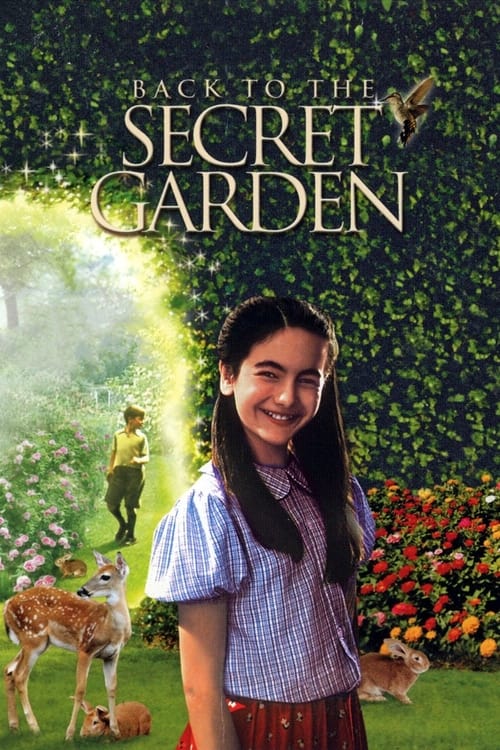
Back to the Secret Garden is a traditional period drama that upholds historical accuracy and established moral frameworks. It serves as a restorative narrative, emphasizing the importance of maintaining social order and the healing power of nature. The film's structure is designed to support existing social hierarchies, particularly those related to class and family. While it offers significant roles to young female characters, it does so within a very limited, historically homogeneous context. Overall, the film lacks diverse representation, focusing instead on a nostalgic view of the Edwardian era that preserves existing social structures.
Category Breakdown
The film does not include any LGBTQ+ characters or stories that go beyond the assumption that everyone is straight or cisgender.
The film highlights young female characters like Mary Lennox who play key roles in discovering the garden. However, it stays true to the gender roles and hierarchies of the early 20th century.
Set in Edwardian Yorkshire, the film centers around an upper-class English community. The casting reflects the historical lack of diversity during that time.
The story emphasizes family bonds and the stability of home life through a nostalgic lens, reinforcing traditional Western values.
Colin's physical condition is a central part of the story, focusing on his journey towards recovery and reclaiming his health.
Present on Screen
Limited or Absent
Official Synopsis
A youngster living in a stately home discovers the magical garden Mary, Colin & Dickon stumbled across years before - but faces a battle with the housekeeper over whether to nurture it.
1993
1997

2017
2002
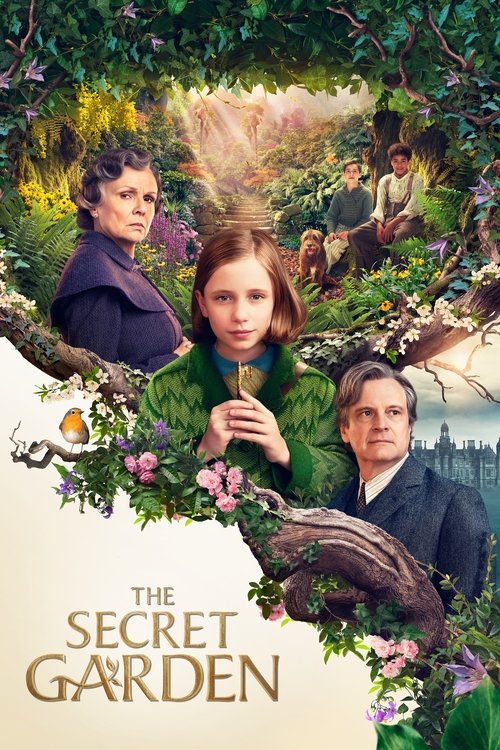
2020
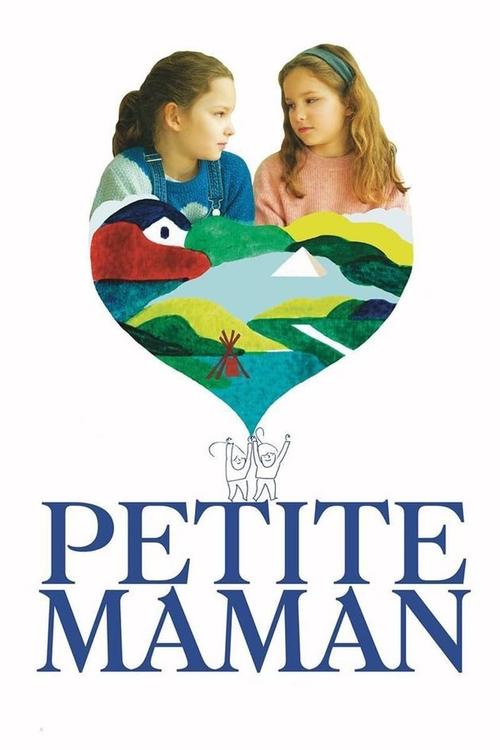
2021
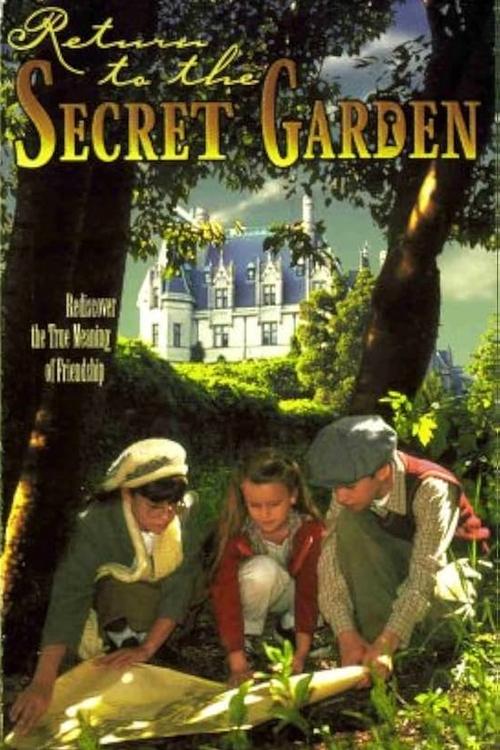
2000
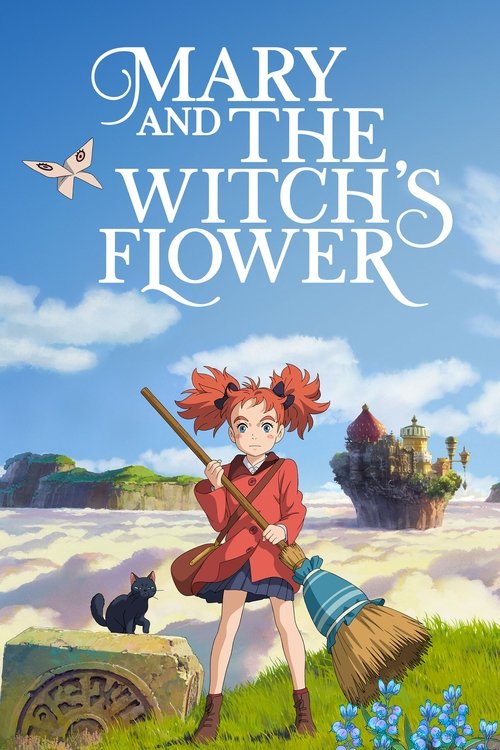
2017
No reviews yet. Be the first to share your thoughts on this movie!
Use the rating form above to leave a star rating and optional review.