
The Transgressor
1974
No user ratings available yet
Representation score: 5.2 out of 10
Representation Score
Good
1979
Director
Kōyū Ohara
Runtime
69 minutes
Average Rating
No ratings yetNew Showbiz Analysis
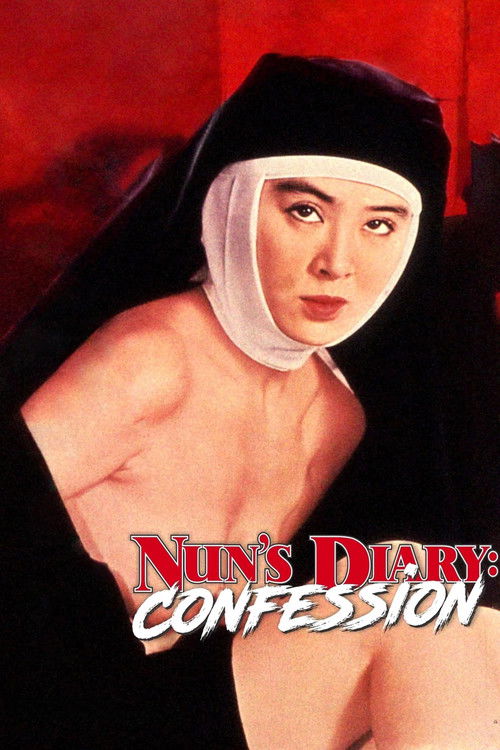
Nun's Diary: Confession functions as a transgressive drama that challenges the sanctity of religious spaces. Its primary strength lies in its critique of patriarchal and systemic corruption within a religious setting. However, the film is limited by its era's clichés. It lacks representation of multiple aspects of identity, offers a culturally homogeneous cast, and treats psychological trauma primarily as a plot device. Ultimately, while the film provides a strong critique of institutional authority and centers women's ability to drive the story, it fails to offer meaningful representation for LGBTQ+ or diverse ethnic groups.
Category Breakdown
The film does not include any explicitly LGBTQ+ characters or non-straight relationships. It focuses on a female protagonist's journey within a religious institution after experiencing trauma.
The film centers around a female protagonist who takes a leading role after facing extreme trauma. It critiques male-dominated power structures by depicting the religious institution as morally compromised and corrupt.
As a 1979 Japanese production, the film features a culturally homogeneous cast. It operates within its specific historical context without evidence of whitewashing or Western racial hierarchies.
The narrative challenges religious institutions by framing a house of God as a site of moral decay. It prioritizes institutional skepticism and moral relativism over traditional religious ideals.
The protagonist's psychological trauma and suicide attempt serve as plot catalysts. These elements lack nuanced exploration of mental health or neurodivergence, functioning instead as narrative devices.
Present on Screen
Limited or Absent
Official Synopsis
After being brutally raped on her honeymoon, a young woman attempts suicide. A nearby priest talks her out of it and she decides to become a nun. But once inside she finds that this house of God is a den of debauchery and depravity.
1974

1964

1974

1967

1978

1980

1978

2003
No reviews yet. Be the first to share your thoughts on this movie!
Use the rating form above to leave a star rating and optional review.