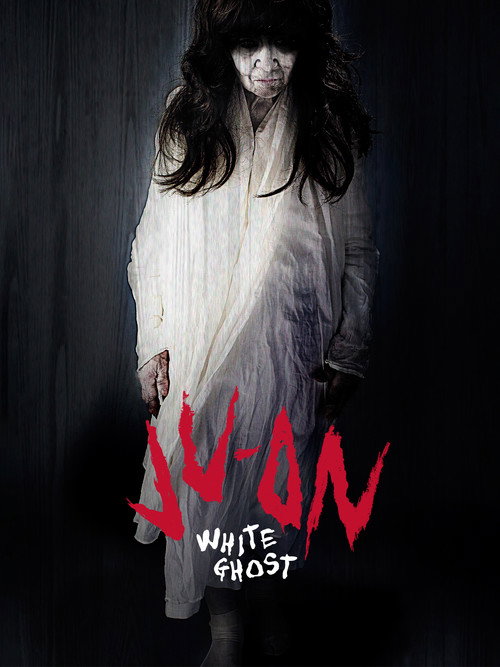
Ju-On: White Ghost
2009
No user ratings available yet
Representation score: 2.9 out of 10
Representation Score
Good
2004
Director
Fei Wang
Runtime
95 minutes
Average Rating
No ratings yetNew Showbiz Analysis
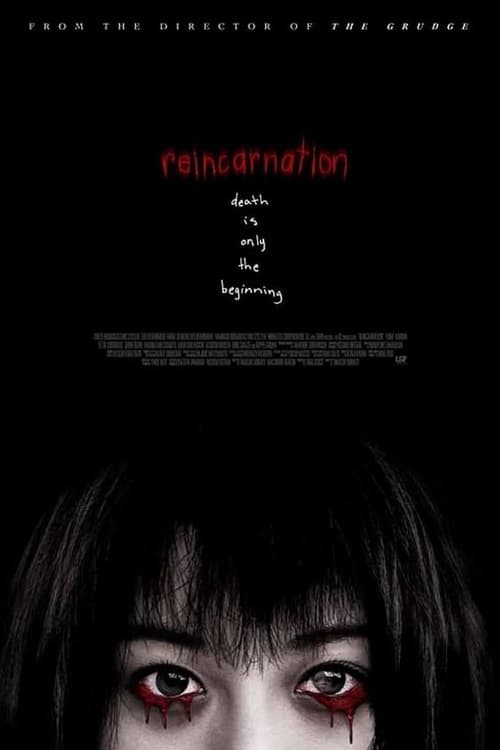
Reincarnation serves as a genre-driven exploration of trauma. It finds its strength in challenging traditional cinematic clichés by dismantling the archetype of the stable patriarch and replacing it with a figure of destructive instability. The film uses the horror medium to critique social order through a lens of spiritual unrest. However, the film lacks explicit representation of diverse identities or grounded depictions of lived experiences related to mental health or queer life.
Category Breakdown
The film focuses on spiritual trauma and cyclical violence rather than LGBTQ+ identities. It avoids reinforcing the idea that everyone is straight or cisgender by presenting the family unit through tragedy and unresolved psychic trauma.
A female protagonist centers the narrative, navigating a landscape of systemic horror. The film deconstructs masculine authority by portraying the male figure as a source of chaotic, destructive instability.
As a Japanese production, the film features a predominantly East Asian cast and setting. It offers a localized perspective on spiritualism, avoiding many Western-centric horror clichés.
The story explores complex morality through a tragic history of massacre and restless spirits. It critiques how historical trauma disrupts the sanctity of the family and social institutions.
Themes of mental instability and psychological fragmentation drive the horror. These elements touch upon neurodivergence, though they are filtered through a stylized, supernatural lens rather than grounded reality.
Present on Screen
Limited or Absent
Official Synopsis
A Japanese actress (Yuka) comes face to face with a slew of restless spirits when she signs on to star in a horror film -- the true story of a crazed professor's murderous rampage that left 11 victims, including his young daughter, in its wake. But the film being shot at the very site where the grisly killings took place. Takashi Shimizu (The Grudge) directs this darkly mesmerizing tale of crime, punishment and redemption.
2009
2000
2009
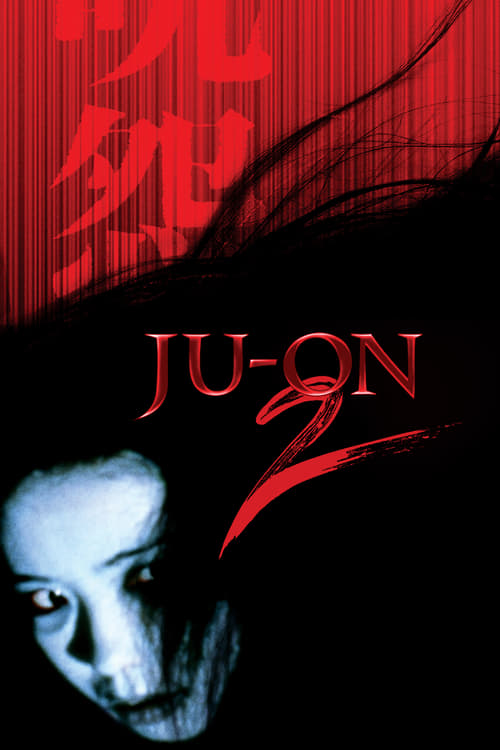
2003

2005
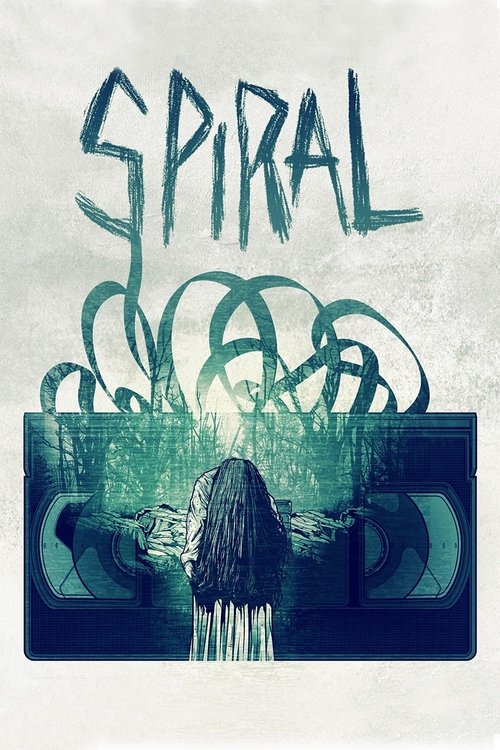
1998
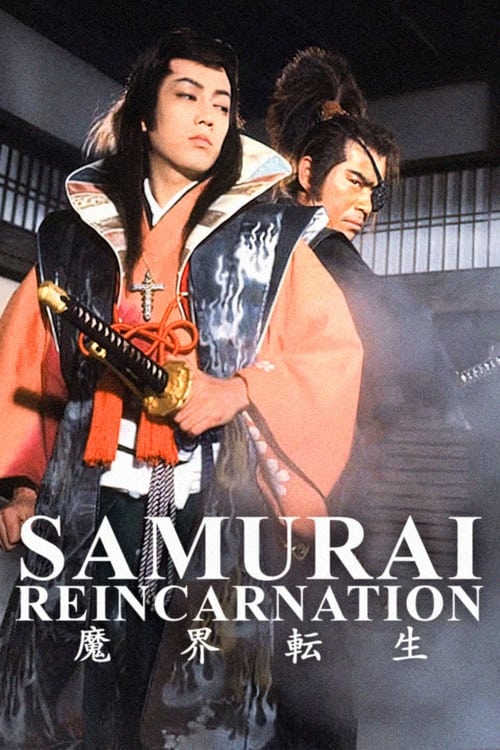
1981
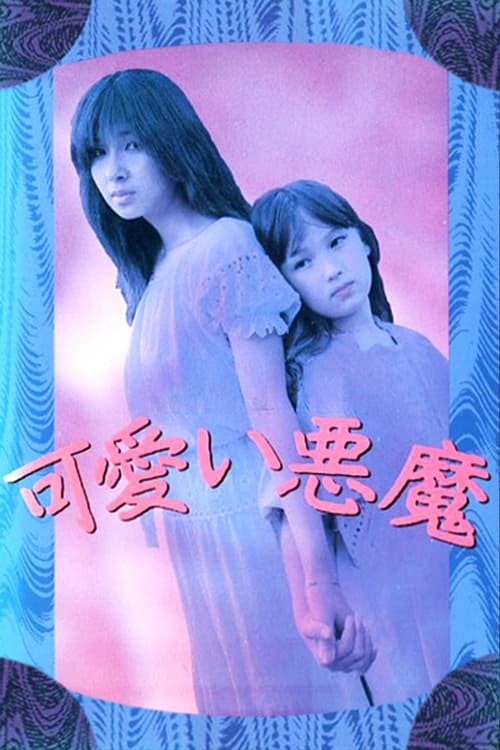
1982
No reviews yet. Be the first to share your thoughts on this movie!
Use the rating form above to leave a star rating and optional review.