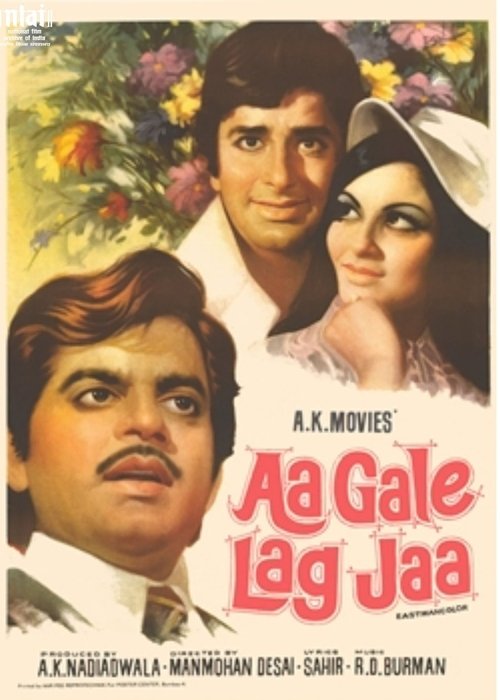
Aa Gale Lag Jaa
1973
No user ratings available yet
Representation score: 2.4 out of 10

Representation Score
Minimal
1977
Director
Nasir Hussain
Runtime
169 minutes
Average Rating
No ratings yetNew Showbiz Analysis
Hum Kisise Kum Naheen is a classic example of 1970s mainstream Bollywood cinema, prioritizing commercial success and traditional storytelling. It centers on a polished, aspirational romantic fantasy. The film operates within established social structures, emphasizing family approval and conventional courtship. Despite the female lead's wealth, the narrative remains focused on traditional masculine leadership and romantic pursuits. Overall, the film offers a cohesive cultural experience aligned with the period's mainstream values without challenging them through progressive or perspectives that reflect multiple aspects of identity.
Category Breakdown
The film follows traditional heterosexual romantic storylines, focusing solely on a courtship between a male protagonist and a female heiress without any hints of LGBTQ+ relationships.
The female lead has significant influence due to her wealth, but her journey is driven by emotional responses to romance. Male characters take charge through actions and deception.
The cast is ethnically homogeneous, reflecting the domestic Indian film industry. It provides a culturally specific representation of Indian identity without seeking to disrupt the ethnic status quo.
The movie upholds traditional social norms and romantic ideals, celebrating an aspirational lifestyle and conventional morals without questioning these values.
There are no visible or invisible disabilities integrated into the character arcs. The narrative does not utilize disability as a central theme or character trait.
Present on Screen
Limited or Absent
Official Synopsis
Beautiful young heiress, Kajal, is the only daughter of wealthy industrialist Kishorilal. She has fond memories of her childhood male friend, Sanjay, and would like to meet him now, and get married to him, and thereby fulfill their promise they had made when they were children. She meets an eligible young man, who identifies himself as Manjeet Kumar Tana, and she likes him. This young man assures her that he will introduce her to her childhood sweetheart the next day. When she goes to meet Sanjay, she is shocked to find that the young man claiming to be Manjeet, is just a Manager, and it is then she gets to meet the real Manjeet, and both eventually fall in love with each other. But once again, Kajal's heart is broken, when she finds out that Manjeet's real name is Rajesh, and he is part of a deceptive plot that involves her abduction.
1973

1989

1984

1959

1996

1983

1974

1968
No reviews yet. Be the first to share your thoughts on this movie!
Use the rating form above to leave a star rating and optional review.