
Hum Kisise Kum Naheen
1977
No user ratings available yet
Representation score: 1.3 out of 10

Representation Score
Limited
1984
Director
Nasir Hussain
Runtime
160 minutes
Average Rating
No ratings yetNew Showbiz Analysis
Manzil Manzil is a traditionalist romantic melodrama that adheres to the established social and gender hierarchies of 1980s Indian cinema. The film prioritizes sentimental cohesion and familial duty over disrupting social norms. While the story uses amnesia to create tension, it treats the condition as a plot device rather than a character study. The female lead's autonomy is limited by patriarchal structures and forced marriage negotiations. Ultimately, the film functions as a standard genre piece that reinforces traditional social structures without attempting to challenge them.
Category Breakdown
The film operates within a framework that assumes everyone is straight or cisgender. There is no depiction of non-binary gender identities or same-sex relationships. The romantic tension revolves around a central love triangle.
Seema's autonomy is limited by decisions made by men and external circumstances. Her role is largely defined by her relationships to the men in her life, reflecting patriarchal structures.
The casting is ethnically homogeneous, fitting the film's cultural context. It presents a culturally specific South Asian milieu as the narrative norm.
The narrative emphasizes traditional social structures and the importance of parental authority. The plot centers on the tension between individual desires and family obligations, favoring social stability.
Amnesia is used as a central plot device to create tension, but it does not explore cognitive impairment or the person's ability to act in depth.
Present on Screen
Limited or Absent
Official Synopsis
Mr. Malhotra has an only daughter named Seema. He would like Seema to marry Pawan, the son of Gautam. Seema is receptive to this, and even arranges to meet with Pawan. While traveling alone one day in the country side, Seema meets up with Vijay, and both fall in love. Unknown to both, Mr. Malhotra has been approached by an international smuggler Niranjan Das, who is impersonating Mr. Malhotra's childhood friend, and has asked for Seema's hand in marriage for his son Roopesh. Seema subsequently has an accident and loses her memory. She is looked after by Gautam, who will not let anyone, including Vijay, to come anywhere near Seema. And even if Seema's memory does return, she will have to consent to marrying Roopesh, her father's choice
1977

1989

2001

2007

1985

1999
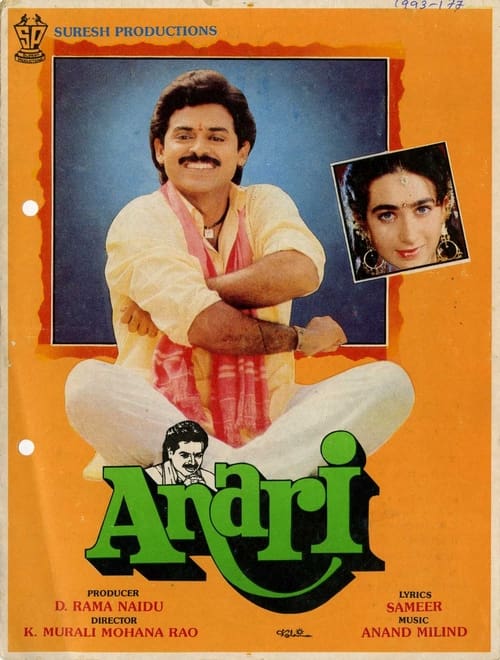
1993

1989
No reviews yet. Be the first to share your thoughts on this movie!
Use the rating form above to leave a star rating and optional review.