
Stage Hoax
1952
No user ratings available yet
Representation score: 2.1 out of 10
Representation Score
Minimal
1951
ApprovedDirector
Walter Lantz
Runtime
6 minutes
Average Rating
No ratings yetNew Showbiz Analysis
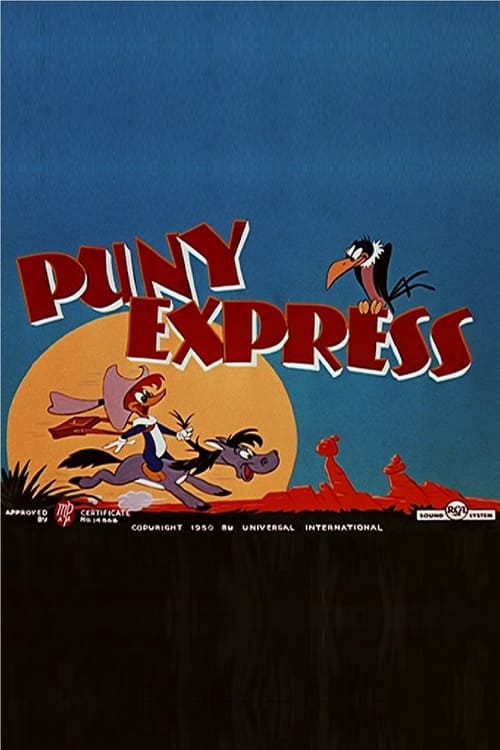
Puny Express is a quintessential mid-century comedic short that prioritizes kinetic slapstick over social complexity. The narrative is built around a singular conflict between two anthropomorphic characters, leaving no room for diverse representation or systemic critique. The film adheres strictly to the visual and social language of the 1950s American West. It reinforces established frontier clichés and traditional archetypes without attempting to subvert or expand upon them. Ultimately, the work functions as a standard character-driven episode. It maintains a conventional status quo, focusing on the successful completion of a task rather than engaging with multi-layered identities.
Category Breakdown
The film focuses entirely on the slapstick rivalry between Woody Woodpecker and Buzz Buzzard. There are no representations of LGBTQ+ identities or narratives.
The characters are anthropomorphic birds, which limits the exploration of gender roles. The story relies on traditional archetypes like the wandering cowboy without challenging conventional masculinity.
Set in the American Old West, the short utilizes homogeneous character archetypes. It lacks a diverse cast or any disruption of Anglo-centric Western clichés.
The plot reinforces traditional Western settings and frontier industriousness. It presents a binary morality centered on fulfilling professional duties against a thief.
No characters with visible or invisible disabilities appear. The comedic obstacles, such as dynamite and tacks, serve as physical slapstick rather than exploring disability issues.
Present on Screen
Limited or Absent
Official Synopsis
Woody is a wandering cowboy who notices an ad at a western post office advertising for a new mail delivery rider. Woody accepts but is warned of mail thief Buzz Buzzard. Woody regards the buzzard as a pushover and begins his trek. Sure enough, Woody eventually encounters the buzzard who uses every trick possible to snatch the mail from Woody's hands spreading tacks across the road and dynamiting a bridge. But Woody is prepared for Buzz's antics...
1952
1953
1954

1951
1960
1934
1944

1949
No reviews yet. Be the first to share your thoughts on this movie!
Use the rating form above to leave a star rating and optional review.