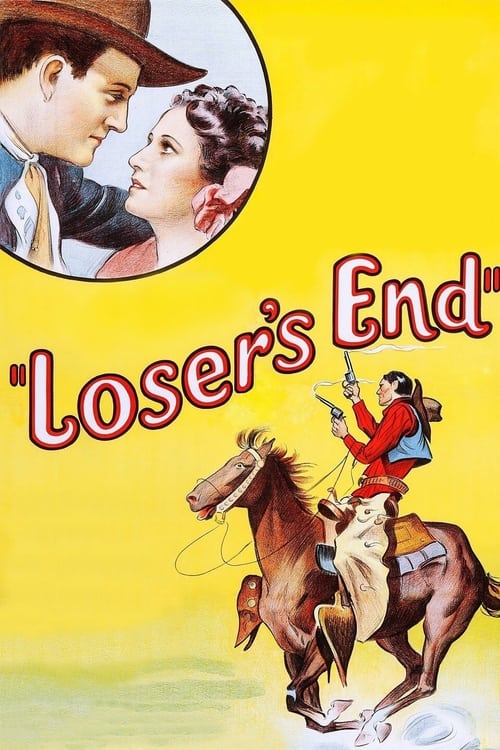
Loser's End
1935
No user ratings available yet
Representation score: 1.1 out of 10
Representation Score
Limited
1935
ApprovedDirector
Bernard B. Ray
Runtime
58 minutes
Average Rating
No ratings yetNew Showbiz Analysis
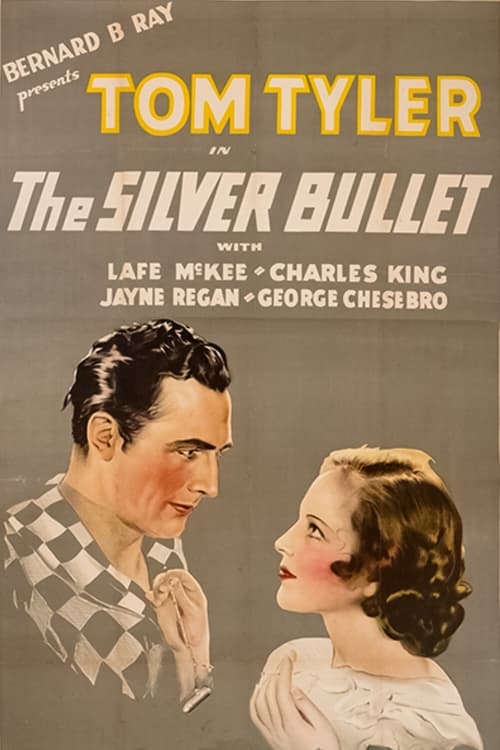
The Silver Bullet is a conventional 1930s Western that reinforces the social hierarchies of its era. The narrative is built around established genre clichés, focusing on law, order, and rugged individualism. character's ability to drive the story is almost exclusively male-driven, centered on the conflict between the Sheriff and the outlaw gang. This structure leaves little room for diverse perspectives or non-traditional social roles. While the film includes a character with a disability, it is used primarily to fuel a revenge arc and lacks the intentionality needed to disrupt the homogeneous social norms of the period.
Category Breakdown
The film follows a traditional Western structure focused on law enforcement and gang conflict. There is no indication of LGBTQ+ identities or same-sex relationships.
The plot centers on male characters such as the Sheriff and the outlaw leader, emphasizing masculine leadership and physical conflict over romantic elements.
The narrative focuses on Anglo-centric power dynamics involving sheriffs and bankers. There is no evidence of a diverse cast or non-white characters with significant roles.
The story emphasizes the restoration of institutional order and the protection of capitalist structures, adhering to traditional Western values of law and moral binaries.
Dad Kane is defined by his blindness, which drives a revenge-based plot. His impairment serves as a narrative device rather than a nuanced exploration of lived experience.
Present on Screen
Limited or Absent
Official Synopsis
Tom Henderson is made Sheriff of Chico to fight Slim Walker's gang. Unknown to Tom, banker Luke Hargrave is the gang's real boss. Dad Kane is looking for the man that blinded him whom he can remember by his voice. He finds him when the gang robs the bank and Tom chases them down.
1935
1936
1940
1942

1930
1935

1935
1932
No reviews yet. Be the first to share your thoughts on this movie!
Use the rating form above to leave a star rating and optional review.