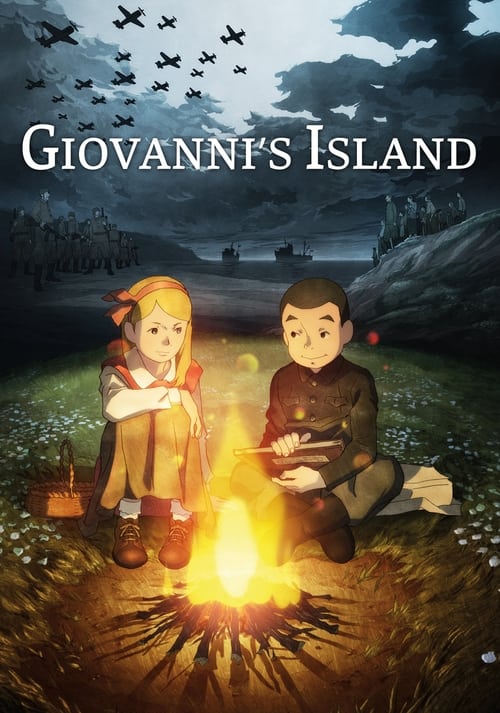
Giovanni's Island
2014
No user ratings available yet
Representation score: 2.3 out of 10
Representation Score
Limited
2024
Director
Michel Hazanavicius
Runtime
81 minutes
Average Rating
No ratings yetNew Showbiz Analysis
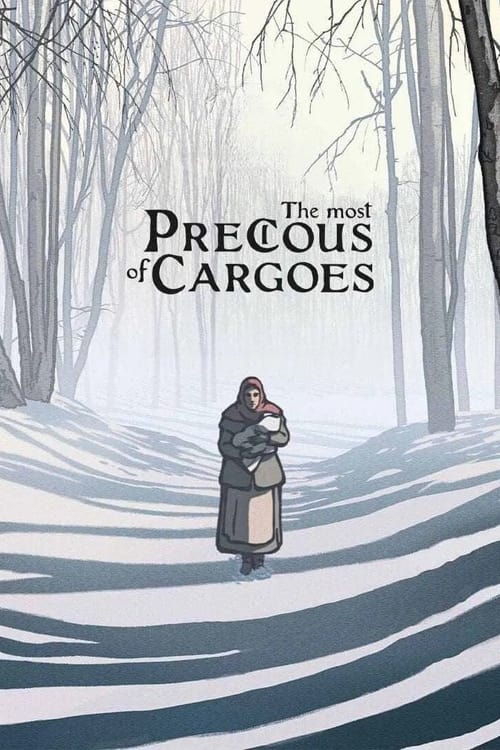
The film centers on the moral decisions of underrepresented individuals caught in the chaos of war. It shifts the focus from institutional power to the personal choices of a poor woodcutter and his wife. While the narrative offers a strong critique of systemic violence and traditional social hierarchies, it remains limited by a lack of specific information regarding identity-based representation. The focus is primarily on class and survival. Ultimately, the work explores human empathy amidst systemic upheaval, though it does not explicitly address diverse racial or LGBTQ+ identities.
Category Breakdown
The film focuses on a found-family dynamic through rescuing a child. There is no explicit mention of non-straight identities or same-sex relationships.
The woodcutter's wife plays a key role in driving the story forward. Her decision to rescue the baby challenges traditional passive survivor roles and subverts the provider stereotype.
The setting suggests a European historical context focused on war and forests. While the film adopts a universalist approach, it does not explicitly feature a multi-ethnic cast.
The story critiques dehumanization by presenting a child as a product of industrial and military machines. It deconstructs traditional hero and villain binaries through complex morality.
The film depicts socio-economic hardship and the struggle against poverty. There is no mention of neurodivergence or physical disabilities.
Present on Screen
Limited or Absent
Official Synopsis
Once upon a time, a poor woodcutter and his wife lived in a great forest. Cold, hunger, poverty, and a war raging all around them meant their lives were very hard. One day, the woodcutter's wife rescues a baby. A baby girl thrown from one of the many trains that constantly pass through the forest. This baby, this "most precious of cargoes", will transform the lives of the poor woodcutter's wife and her husband, as well as those whose paths the child will cross—including the man who threw her from the train. And some will try to protect her, whatever the cost. Their story will reveal the worst and the best in the hearts of men.
2014

2019

2020

2016
2023
2016

2022
2017
No reviews yet. Be the first to share your thoughts on this movie!
Use the rating form above to leave a star rating and optional review.