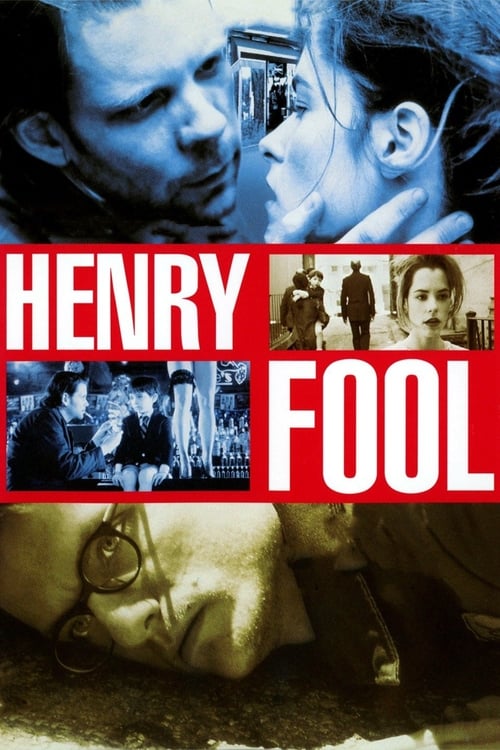
Henry Fool
1998
No user ratings available yet
Representation score: 8.2 out of 10

Representation Score
Excellent
1999
RDirector
Alan Rudolph
Runtime
110 minutes
Average Rating
No ratings yetNew Showbiz Analysis
Alan Rudolph’s film is a postmodern critique of American consumerism. It succeeds by challenging traditional gender roles and offering a sophisticated critique of capitalist institutions, focusing on systemic instability over conventional character development. However, the film lacks depth in racial and ethnic representation. The focus remains primarily on the psychological and socioeconomic struggles of a more homogeneous cast, limiting its cultural diversity. Ultimately, the work is defined by its intellectual rebellion. It replaces traditional storytelling structures with a surrealist exploration of mental health and the breakdown of social authority.
Category Breakdown
The film includes a cross-dressing sales manager, showcasing non-traditional gender expression. This inclusion challenges typical assumptions about gender, though it serves more as a surreal element rather than a central LGBTQ storyline.
Women are depicted as complex, independent figures who defy traditional stereotypes. Characters such as the wife and mistress challenge patriarchal norms and avoid the role of supportive anchors.
The film emphasizes socioeconomic and psychological differences among characters. However, it does not feature many high-profile characters of diverse backgrounds, resulting in a predominantly homogeneous portrayal of American society.
The movie provides a critical look at Western consumerism and institutional norms, portraying consumerism as dehumanizing. It embraces moral relativism and rejects traditional social order.
Dwayne Hoover’s mental health issues are explored deeply, serving as a central theme. His psychological struggles drive the film’s surreal elements, highlighting his internal experiences.
Present on Screen
Limited or Absent
Official Synopsis
A millionaire car salesman who runs the biggest dealership in Midland City, Dwayne Hoover is a celebrity, loved and trusted by everyone. Then one day, he wakes up and realizes that his life is a total mess! But between the headaches posed by his pill-popping wife, a mistress who won't leave him alone, and a cross-dressing sales manager, Dwayne has picked a bad week for a midlife crisis.
1998

2019

2019
1989

2018

2009
1995

2005
No reviews yet. Be the first to share your thoughts on this movie!
Use the rating form above to leave a star rating and optional review.