
Sushi in Suhl
2012
No user ratings available yet
Representation score: 4.2 out of 10
Representation Score
Fair
2004
Director
Peter Payer
Runtime
79 minutes
Average Rating
No ratings yetNew Showbiz Analysis
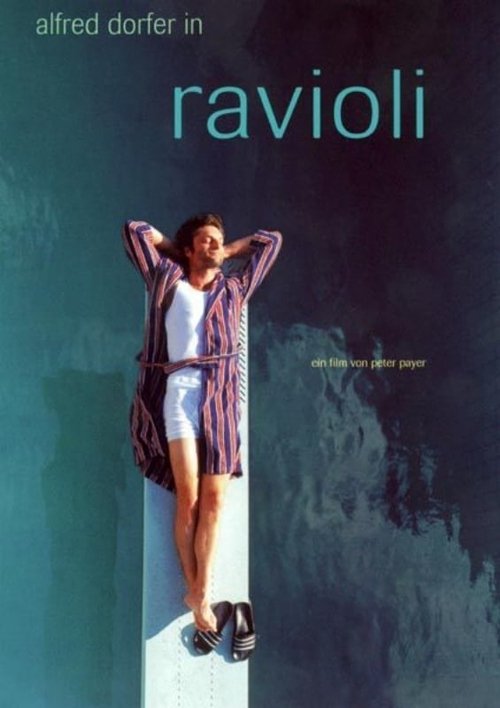
Ravioli is a concentrated character study of individualistic failure. It succeeds in deconstructing middle-class stability and professional hierarchies, offering a messy, subjective look at human truth rather than a polished moral tale. However, the film lacks broad representation of different backgrounds. The narrative is deeply inward-looking, focusing on a singular male experience that leaves little room for diverse perspectives. Ultimately, the film's strength lies in its cultural subversion of Western institutions, even as it remains limited by its narrow demographic focus.
Category Breakdown
The film focuses on the dissolution of a marriage and the protagonist's isolation. There is no explicit portrayal of LGBTQ+ identities or non-straight relationship dynamics.
The story centers on a male protagonist navigating a personal crisis. While it challenges traditional masculine stereotypes by depicting him as an underachiever, female characters appear peripheral.
The narrative inhabits a culturally homogeneous space with no evidence of racial diversity. The setting appears focused on a specific, localized social stratum.
The film critiques middle-class stability by centering on a protagonist who rejects traditional success. It prioritizes existential malaise over religious or patriotic ideals.
The protagonist's reliance on alcohol and Valium suggests a depiction of mental health struggles. However, it is unclear if these are portrayed with real power or as mere symptoms.
Present on Screen
Limited or Absent
Official Synopsis
Hoschek, the former bank branch manager's deputy, returns to his parents' empty apartment and practices the fine art of failure amidst Donauland suggestion books, large-patterned curtains and a rather out-of-tune piano. After losing his job and ending his marriage, the anti-hero played by Alfred Dorfer reviews his life. Heinz Hoschek constantly oscillates between bitter irony and self-pity, between imagination and reality, between a hopeful then and his now, which can only be endured with increased consumption of alcohol and Valium. No doubt about it: the man is an underachiever.
2012
1997

2009

1998

1990
2000
1995

2005
No reviews yet. Be the first to share your thoughts on this movie!
Use the rating form above to leave a star rating and optional review.