
The Kid Stays in the Picture
2002
No user ratings available yet
Representation score: 5.1 out of 10
Representation Score
Excellent
1989
Director
Ken Russell
Runtime
50 minutes
Average Rating
No ratings yetNew Showbiz Analysis
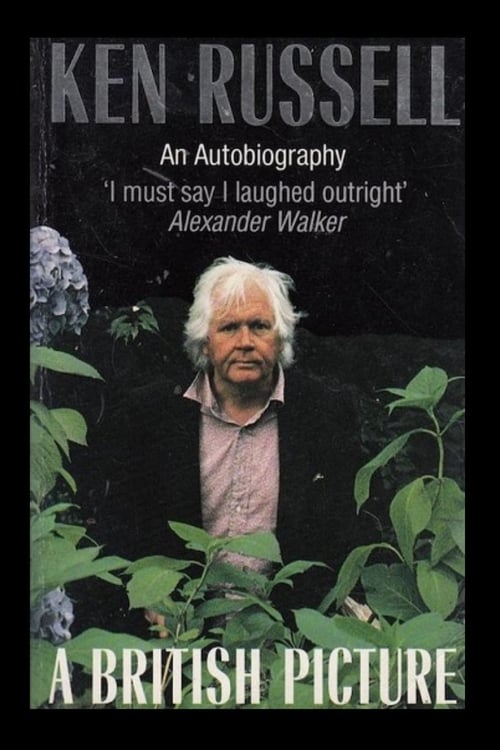
Ken Russell's autobiography is a study in artistic transgression. It excels at disrupting cultural and gendered orthodoxies by celebrating the individual against the institution. The film uses personal history to challenge the stability of traditional Western social norms. While the documentary provides a strong platform for non-normative identities and the subversion of authority, it remains limited by its Eurocentric focus. The narrative lacks racial intersectionality, reflecting a specific mid-20th-century British socio-historical context. Ultimately, the work is a celebration of non-conformity. It prioritizes subjective experience over institutional morality, making it a significant document for those interested in the disruption of social decorum.
Category Breakdown
The documentary focuses on a filmmaker whose life and work explore non-traditional desires and queer aesthetics. It highlights narratives that exist outside the assumption that everyone is straight or cisgender by focusing on Russell's early sexual experiences.
As a male-centered autobiography, the film critiques traditional masculine archetypes. It replaces stoic leadership clichés with characters driven by obsession and emotional fluidity, favoring a more expressive identity.
The film is a deeply personal, Eurocentric autobiography centered on Russell's British upbringing. There is no explicit evidence of a multicultural narrative or a diverse cast within the provided context.
The film engages heavily with the deconstruction of Western institutions and religious authority. It validates a spirit of rebellion against established social and artistic hierarchies through Russell's unconventional life.
There is no specific evidence of a focused exploration of physical disability or neurodivergence. While the 'enfant terrible' archetype may imply psychological non-conformity, no specific arcs are documented.
Present on Screen
Limited or Absent
Official Synopsis
Moving with astonishing assurance through time and space, Russell recreates his life in a series of unconventional interconnected episodes – his thirties childhood in Southampton; his first sexual experience (watching Disney’s Pinocchio); his schooldays at the Nautical College, Pangbourne; early careers in the Merchant Marine and the Royal Air Force; dancing days at the Shepherds Bush Ballet Club; and of course his career as a filmmaker, beginning with an extraordinary interview with Huw Weldon for a job on Monitor.
2002
2008

2004
2017

1972
2016
2007
2011
No reviews yet. Be the first to share your thoughts on this movie!
Use the rating form above to leave a star rating and optional review.