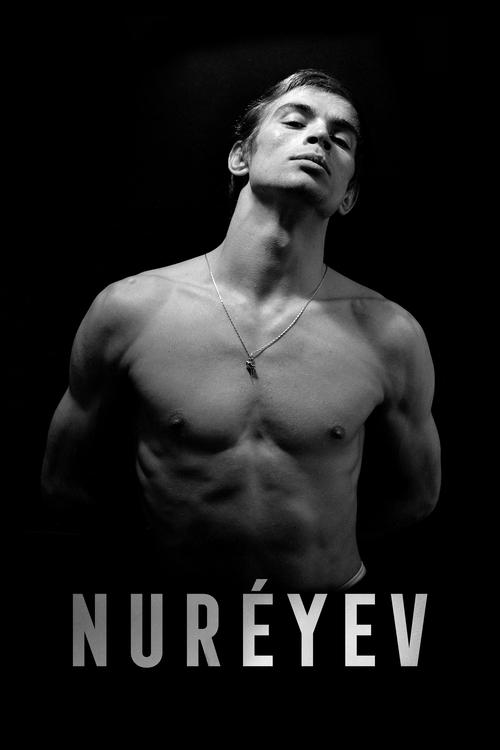
Nureyev
2018
No user ratings available yet
Representation score: 6.2 out of 10

Representation Score
Good
1966
Director
Ken Russell
Runtime
67 minutes
Average Rating
No ratings yetNew Showbiz Analysis
Ken Russell’s documentary challenges traditional gender and cultural norms. It excels by highlighting female independence and celebrating non-conformity against restrictive historical institutions. The film's main strength lies in its critique of conventional Western social structures. It portrays bourgeois morality and traditional family structures as oppressive forces that the protagonist actively resists. However, the film's scope remains limited, focusing primarily on a Western bohemian context. This limits its representation of racial and LGBTQ+ diversity.
Category Breakdown
The film does not explicitly explore same-sex relationships or non-cisgender identities. Sexual freedom is discussed, but mainly through the lens of the protagonist's bohemian lifestyle rather than addressing LGBTQ+ issues directly.
The movie highlights the strong independence and autonomy of women. It centers on Isadora Duncan, showcasing her intellectual and physical freedom that challenges traditional feminine roles.
This is a focused biography of a white American woman. There are no significant non-white characters, and the film does not make efforts to include diverse backgrounds within the Western European context.
The film effectively criticizes traditional Western institutions and moral codes. It emphasizes individual artistic freedom over the strict rules imposed by religion or state.
The story focuses on the physical and emotional demands of dance and expression. However, it does not feature characters with disabilities as central figures.
Present on Screen
Limited or Absent
Official Synopsis
The outrageous life of the American dancer of the 1920s, Isadora Duncan, whom Ken Russell described as "part genius and part charlatan".
2018

2016
2017

2018
1989

2014
2014
2011
No reviews yet. Be the first to share your thoughts on this movie!
Use the rating form above to leave a star rating and optional review.