
The Doorway
2000
No user ratings available yet
Representation score: 3.1 out of 10
Representation Score
Limited
2000
RDirector
Ron Ford
Runtime
90 minutes
Average Rating
No ratings yetNew Showbiz Analysis
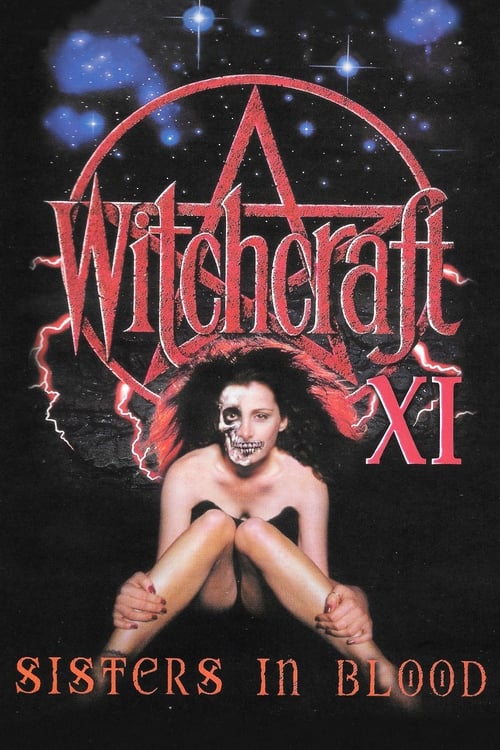
Witchcraft XI: Sisters in Blood operates as a conventional genre piece that prioritizes established horror clichés over social commentary. The narrative structure relies on standard archetypes, such as detectives and students, which limits opportunities for storytelling that reflects multiple aspects of identity. While the film provides a baseline of female influence through its central protagonists, it does so within a traditional framework that does not challenge masculine authority or gender hierarchies. The creative direction focuses on genre expectations rather than progressive social commentary. Ultimately, the film lacks documented intent to disrupt social hierarchies. The reliance on Western religious motifs and homogeneous casting results in a production that reflects the non-subversive storytelling standards of its era.
Category Breakdown
The film follows a traditional horror framework focusing on drama students and detectives. There is no visible evidence of non-traditional gender identities or narratives that critique the assumption that everyone is straight or cisgender.
Female protagonists drive the plot, providing a baseline of influence. However, these characters primarily serve as catalysts for supernatural conflict rather than challenging traditional gender roles.
The narrative lacks evidence of a diverse cast. The character archetypes suggest a homogeneous casting typical of direct-to-video horror from this era.
The story relies on established Western supernatural motifs like witches and gates to hell. It lacks a deconstruction of Western institutions or any significant critique of institutional structures.
There is no specific evidence of characters with visible or invisible disabilities. The film does not depict disability through a lens of empowerment.
Present on Screen
Limited or Absent
Official Synopsis
Three drama students revive three witches, who want to open a gate to hell; Will Spanner and Kelly get involved, while Detectives Lutz and Garner investigate.
2000
1982

1999
1996
1994
1998
2001
1991
No reviews yet. Be the first to share your thoughts on this movie!
Use the rating form above to leave a star rating and optional review.