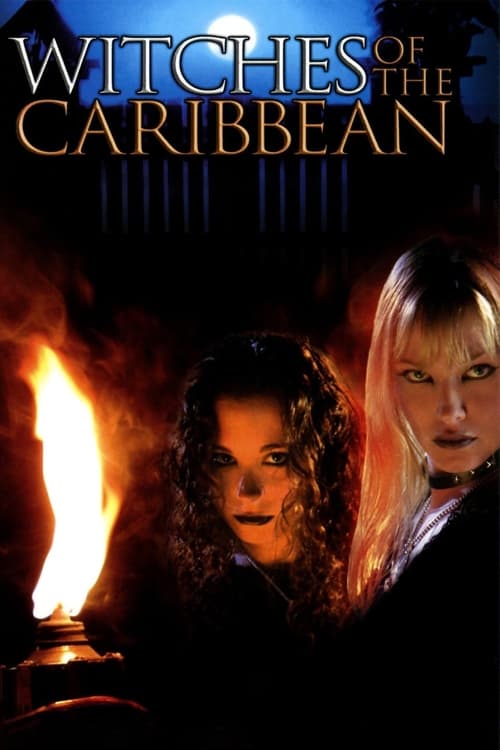
Witches of the Caribbean
2005
No user ratings available yet
Representation score: 3.5 out of 10

Representation Score
Limited
1999
RDirector
David DeCoteau
Runtime
72 minutes
Average Rating
No ratings yetNew Showbiz Analysis
Witchouse is a traditional horror film that emphasizes supernatural elements over diverse representation. While it features a strong female lead reclaiming ancestral power, it does not address systemic issues or provide meaningful representation for underrepresented groups. The reliance on familiar horror clichés limits its ability to offer deeper social commentary.
Category Breakdown
The film centers on witchcraft and does not include any queer-coded subtext or non-straight identities.
Elizabeth is a key character who drives the plot, but her role aligns with the classic 'dark matriarch' or 'femme fatale' clichés found in horror films.
The cast appears to be predominantly white, reflecting the Anglo-Saxon casting norms typical of the late 1990s.
The film focuses on supernatural elements related to witchcraft and burning at the stake, without providing a nuanced critique of institutional religious oppression.
There are no characters with visible or invisible disabilities in the film.
Present on Screen
Limited or Absent
Official Synopsis
On Mayday 1998 in the town of Dunwich, Massachusetts, Elizabeth gathers together a group of specially selected friends for a rather odd party. It turns out that she is the descendent of a malevolent witch named Lilith who was burned at the stake precisely three hundred years ago. Now Elizabeth hopes to resurrect her dreadful ancestor and has a specific (and murderous) need for the guests she has chosen
2005
1971
1971
2020
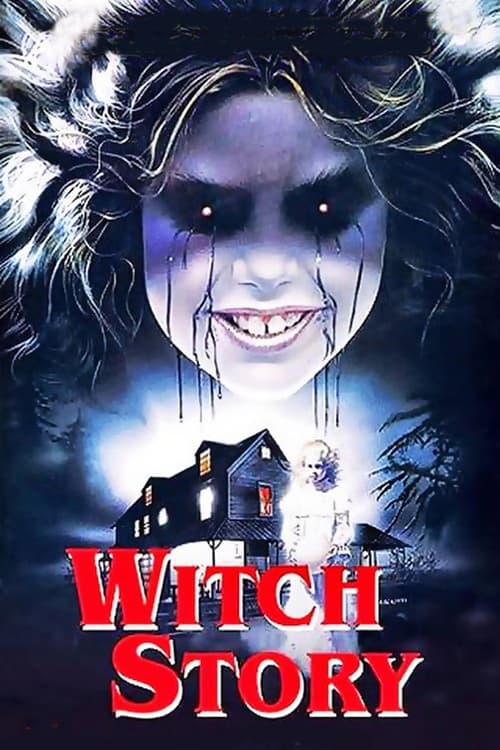
1989
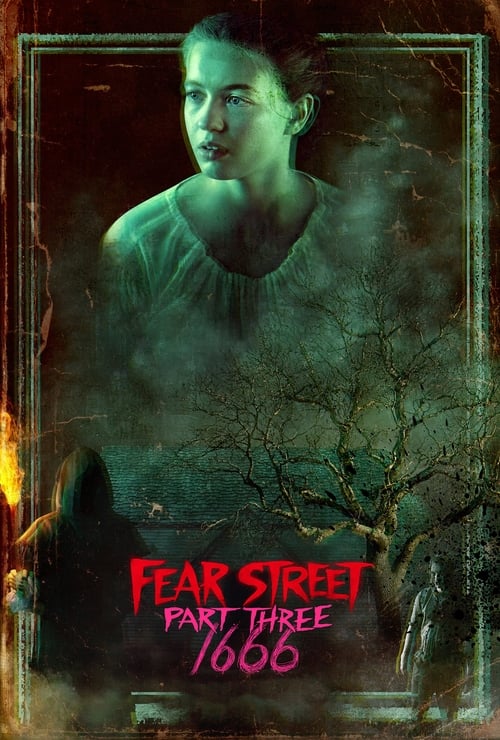
2021
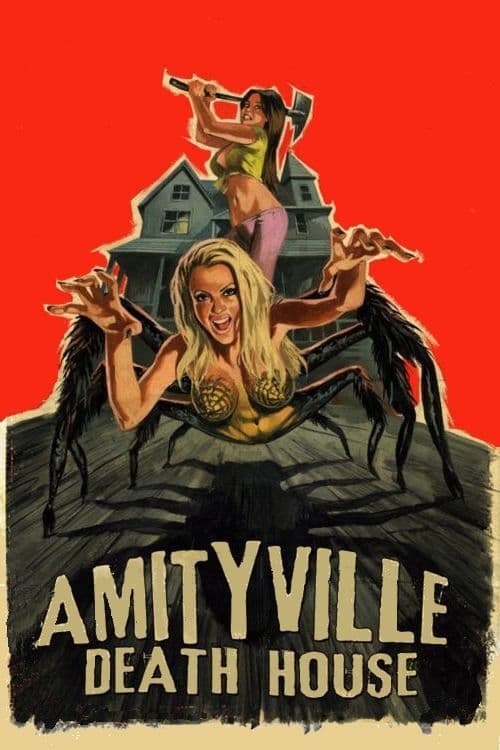
2015
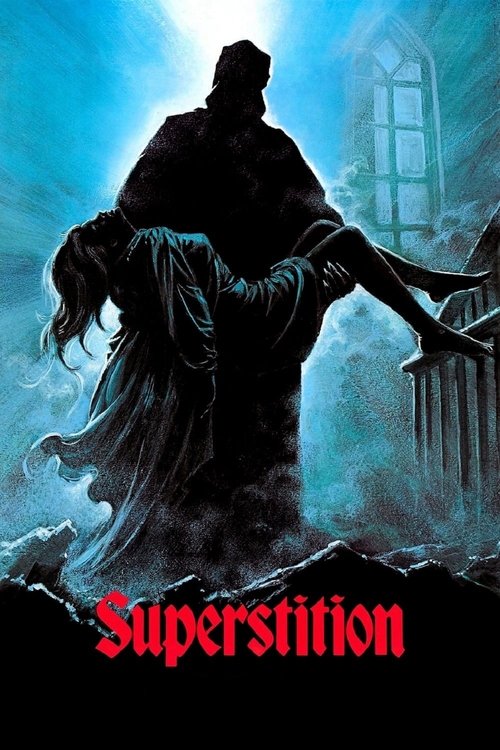
1982
No reviews yet. Be the first to share your thoughts on this movie!
Use the rating form above to leave a star rating and optional review.