Museum
2016
No user ratings available yet
Representation score: 3.6 out of 10
Representation Score
Fair
2009
Director
Isshin Inudo
Runtime
131 minutes
Average Rating
No ratings yetNew Showbiz Analysis
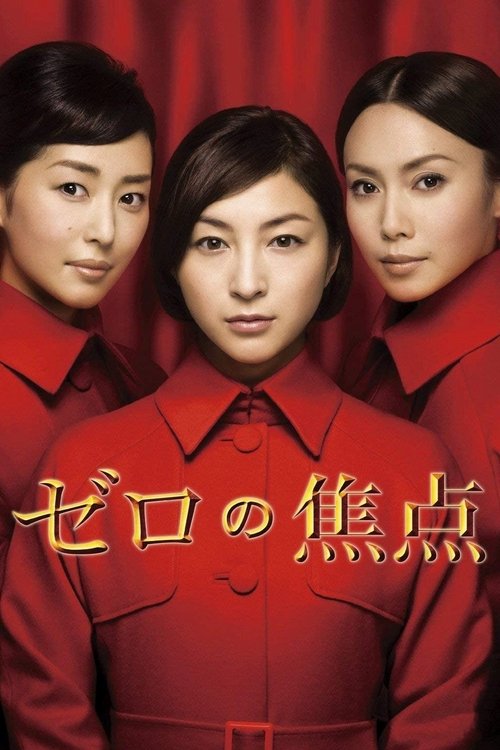
Zero Focus successfully challenges genre conventions by placing three women at the forefront of a murder mystery. Rather than following a male detective, the film emphasizes the ability to act and psychological complexity of these female characters in a post-war society. While the film does not explicitly represent LGBTQ+ identities or include diverse ethnicities, it uses its historical context to examine the breakdown of traditional social structures. It avoids overt identity politics in favor of a nuanced exploration of moral ambiguity and societal change.
Category Breakdown
The film focuses on a newlywed couple, implying a heterosexual relationship. There is no explicit depiction of LGBTQ+ identities or intimate relationships involving queer characters.
Three women take the lead in investigating a crime, challenging the traditional passive role of women in mysteries. Their active involvement and psychological depth subvert the usual male-centric approach to thrillers.
The cast is predominantly of the same ethnicity, reflecting the demographics of post-war Japan. The story centers on national identity and societal changes during a time of significant cultural transformation.
Set in post-war Japan, the film critiques established institutions and traditional social norms. Using the mystery format, it explores moral relativism and historical trauma.
There is no depiction of physical or neurodivergent disabilities in the film.
Present on Screen
Limited or Absent
Official Synopsis
Spurred by the disappearance of a newly-wed husband, three women in post-war Japan are drawn into a murder mystery.
2016
2009

2005
2005
2010
2009

1992

2010
No reviews yet. Be the first to share your thoughts on this movie!
Use the rating form above to leave a star rating and optional review.