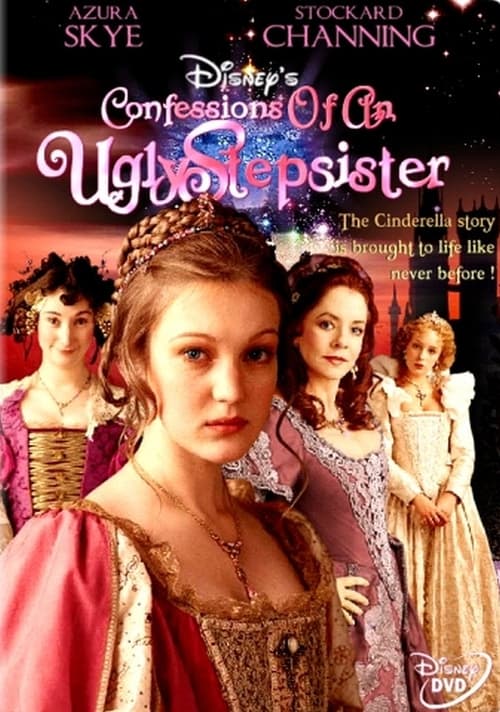
Confessions of an Ugly Stepsister
2002
No user ratings available yet
Representation score: 7.3 out of 10

Representation Score
Limited
2000
TV-PGDirector
Beeban Kidron
Runtime
90 minutes
Average Rating
No ratings yetNew Showbiz Analysis
This musical adaptation prioritizes mid-century glamour and classical folklore over social deconstruction. While Zezolla displays personal strength, the narrative structure reinforces established cultural norms and traditional gender hierarchies. The film lacks depth in representing diverse identities, relying on a homogeneous Eurocentric cast and a straight-centered romantic arc. It functions as a stylistic period piece that favors romantic clichés over the representation of diverse identities. Ultimately, the production maintains a traditionalist approach to storytelling, focusing on interpersonal conflict and socioeconomic divides through a conventional lens.
Category Breakdown
The film adheres to the assumption that everyone is straight or cisgender. The plot revolves around a traditional romantic pursuit of a prince, with no visible same-sex relationships or characters whose gender doesn't match their birth-assigned sex.
Zezolla shows resilience against domestic hardship, yet the story remains centered on seeking romantic validation from a male lead. Female characters largely fall into traditional roles as antagonists or romantic interests.
The production features a predominantly homogeneous, Eurocentric cast. The mid-century Western setting maintains traditional demographic norms without evidence of diverse ethnic identities among the main characters.
The narrative focuses on individual moral struggles and classic class-as-destiny themes. It maintains a conventional approach to social structures rather than offering a critique of Western institutions.
No neurodivergent or physically disabled characters have meaningful ability to act. The inclusion of a mermaid serves as a fantasy cliché rather than a nuanced exploration of sensory or physical diversity.
Present on Screen
Limited or Absent
Official Synopsis
Zezolla and her family live mid 20th century, where fashion is practically everything. As her father is won over by a selfish woman named Claudette, Cinderella must keep her new step-mother from murdering the only family she has left. Add in an anti-social mermaid literally living in a cave, a bored prince with an ear for rock n' roll, and the glamour of the 1950's and one'll find that this story can't grow old.
2002
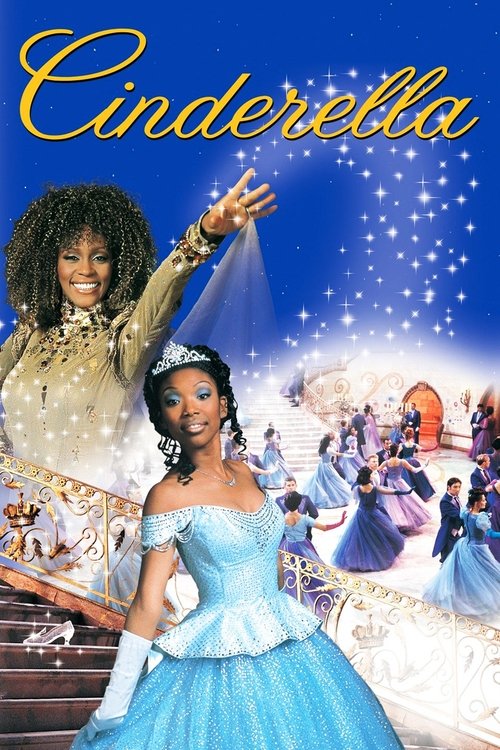
1997
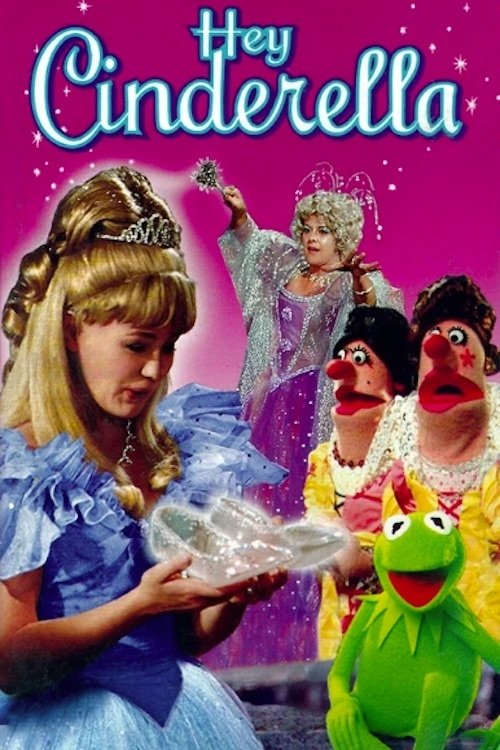
1969
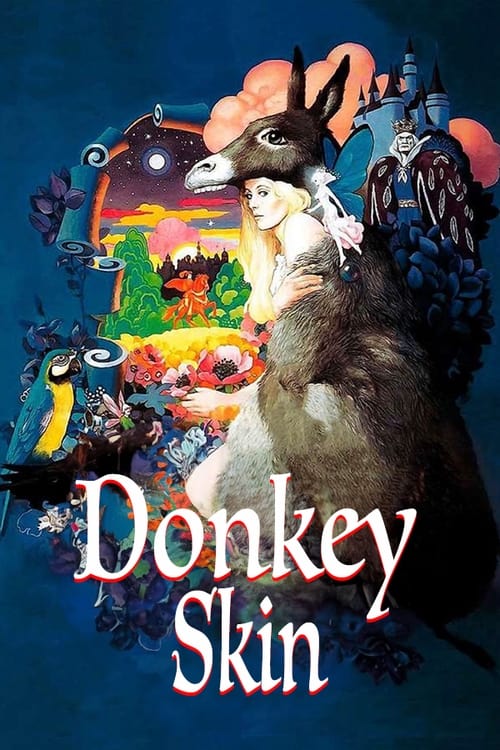
1970
2015

1950
2019
2021
No reviews yet. Be the first to share your thoughts on this movie!
Use the rating form above to leave a star rating and optional review.