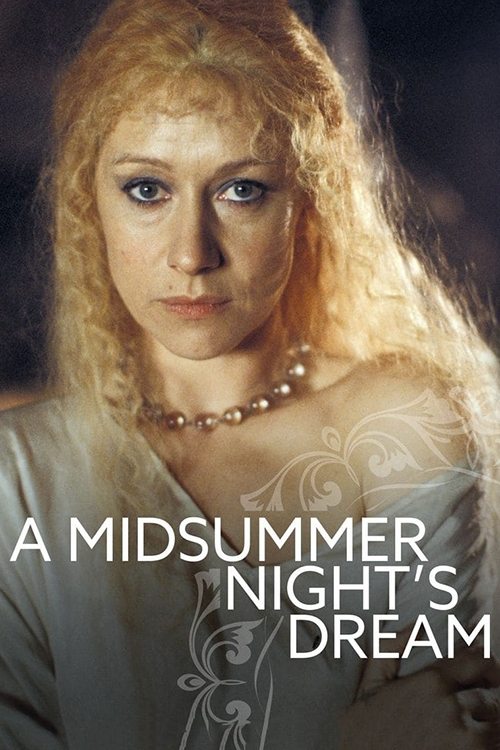
A Midsummer Night's Dream
1981
No user ratings available yet
Diversity score: 3.0 out of 10
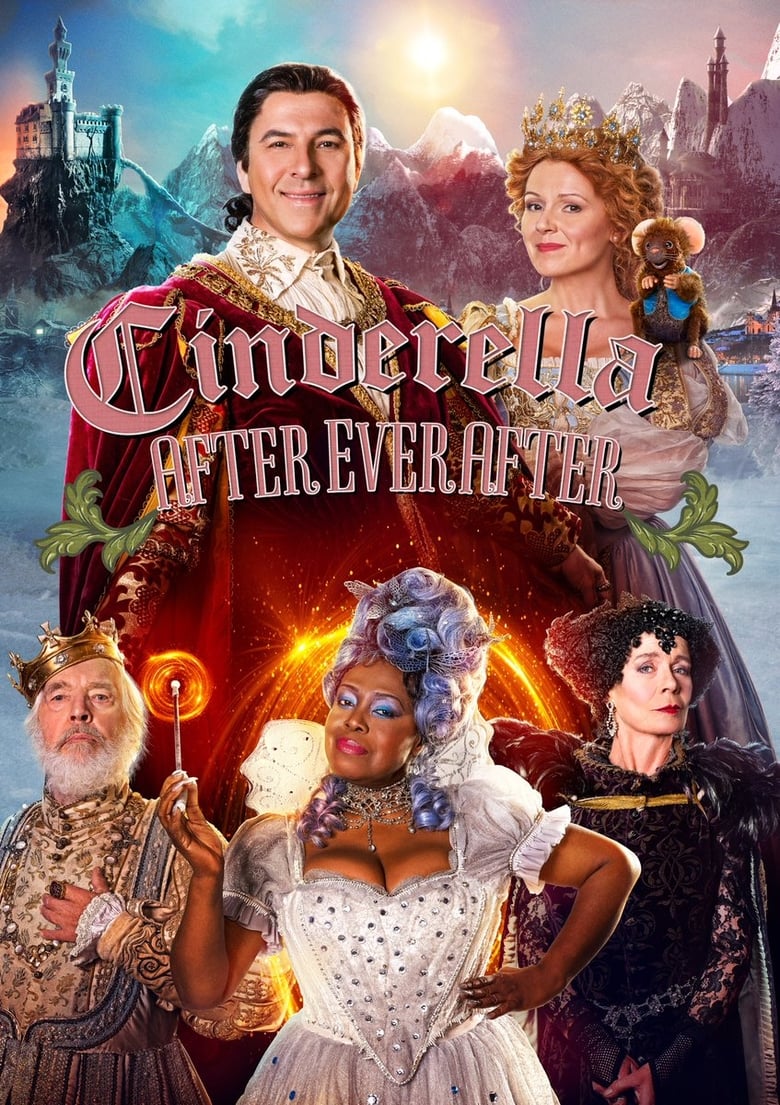
2019
Director
Elliot Hegarty
Runtime
44 minutes
Average Rating
No ratings yetSynopsis
Cinderella weds her Prince Charming, only to find married life isn't all it's cracked up to be.
Overall Score
Good
Category Breakdown
LGBTQ+ Representation
The film lacks prominent LGBTQ+ characters or non-heteronormative romantic arcs. It stays within traditional romantic structures, offering very little queer-coded subtext or identity-driven storytelling.
Gender Representation
Cinderella is granted significant agency, allowing her to challenge the restrictive expectations of her role as a princess. The film successfully deconstructs submissive femininity by prioritizing her autonomy over traditional marital duties.
Racial & Ethnic Diversity
The sequel utilizes a more inclusive ensemble compared to the homogeneous aesthetics of the original material. The narrative incorporates a broader spectrum of ethnic backgrounds, moving away from a strictly Anglo-centric visual language.
Religious & Cultural Diversity
The story uses a postmodern lens to critique the rigid hierarchies of monarchy and the idealized nuclear family. It frames the 'happily ever after' as a site of systemic pressure rather than stability.
Disability Representation
There are no documented depictions of physical or neurodivergent disabilities. The narrative focus remains centered on socioeconomic and gender-based role conflicts.
Strengths
Areas for Improvement
AI Analysis
Cinderella: After Ever After succeeds as a deconstruction of the classic fairy-tale trope. By shifting the focus from the wedding to the complexities of married life, the film moves away from static resolutions toward character-driven exploration. The film's greatest strength lies in its subversion of gendered expectations. Cinderella is not a passive figure but an active agent who questions the perfection of her archetype. This provides a refreshing departure from the submissive roles typically found in the genre. However, the film remains limited by its adherence to traditional romantic structures and a lack of representation for LGBTQ+ and disabled characters. While it expands the racial landscape of the setting, it does not fully embrace a diverse spectrum of identities.
No reviews yet. Be the first to share your thoughts on this movie!
Use the rating form above to leave a star rating and optional review.
