Enchanted
2007
No user ratings available yet
Representation score: 7.0 out of 10
Representation Score
Good
2007
PGDirector
Mark Palansky
Runtime
104 minutes
Average Rating
No ratings yetNew Showbiz Analysis
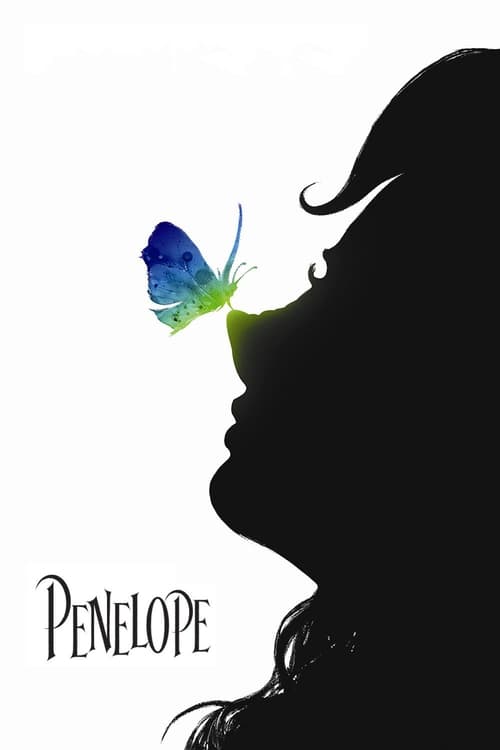
Penelope emerges as a subversion of the traditional fairy tale by emphasizing women's ability to drive the story and challenging conventional hierarchies. Her struggle with her physical difference highlights social exclusion and the psychological impact of being perceived as 'other'. However, the film's scope is limited by a lack of diverse representation. It centers on a heterosexual romance and a predominantly homogeneous cast, missing opportunities to explore varied racial or LGBTQ+ identities. Overall, the film is moderately progressive, moving away from rigid moral frameworks to prioritize personal connections over institutional approval, while still adhering to traditional casting norms.
Category Breakdown
The film does not include explicit LGBTQ+ characters or non-cisgender identities. The romantic relationship focuses on a heterosexual pairing between Penelope and James.
Penelope challenges the damsel in distress stereotype by actively seeking independence. She overcomes restrictive family expectations to achieve her own happiness.
The cast is predominantly white and traditional. The film explores 'otherness' primarily through physical differences rather than ethnic diversity.
The story critiques class-based hierarchies and traditional social structures. It presents the curse as a systemic burden rather than a divine or moral punishment.
The protagonist's physical deformity symbolizes neurodivergence or disability. The narrative emphasizes social acceptance rather than a search for a cure.
Present on Screen
Limited or Absent
Official Synopsis
Forlorn heiress Penelope Wilhern is cursed, and the only way out is to fall in love with someone of suitable stock. But how can she find her soulmate when she's sequestered inside her family's estate with only her parents to keep her company? This untraditional fairy tale is about a girl who bucks convention to create her own happy ending.
2007
1958
2020
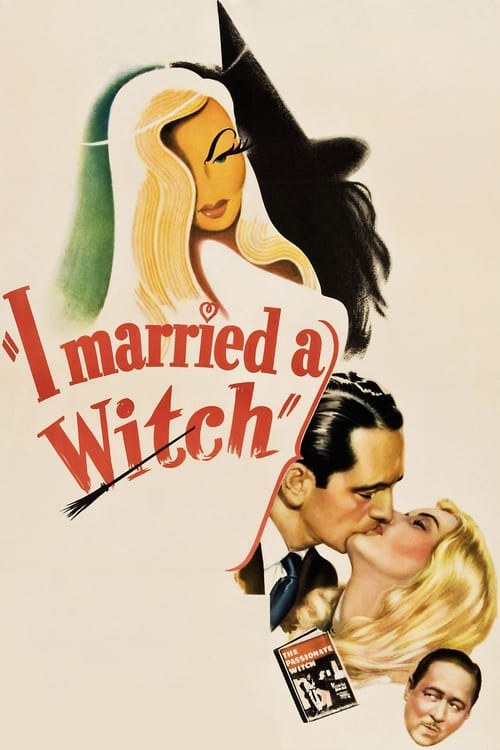
1942
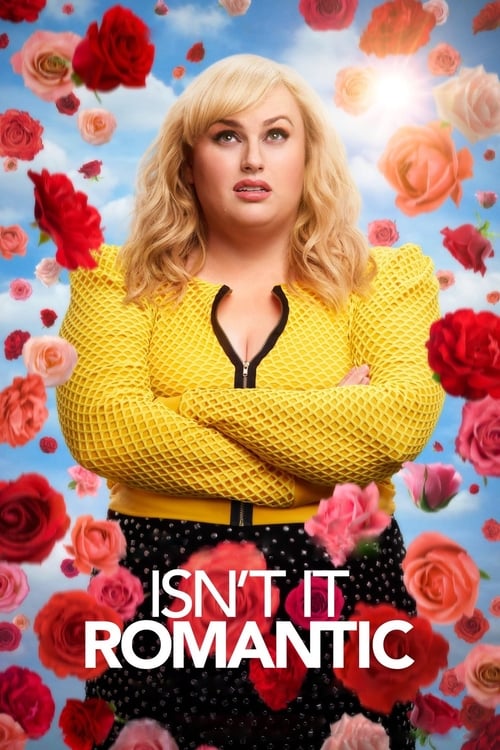
2019
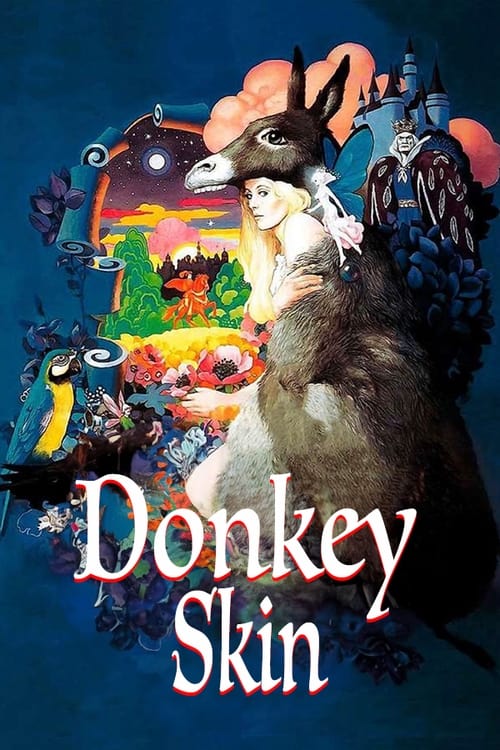
1970
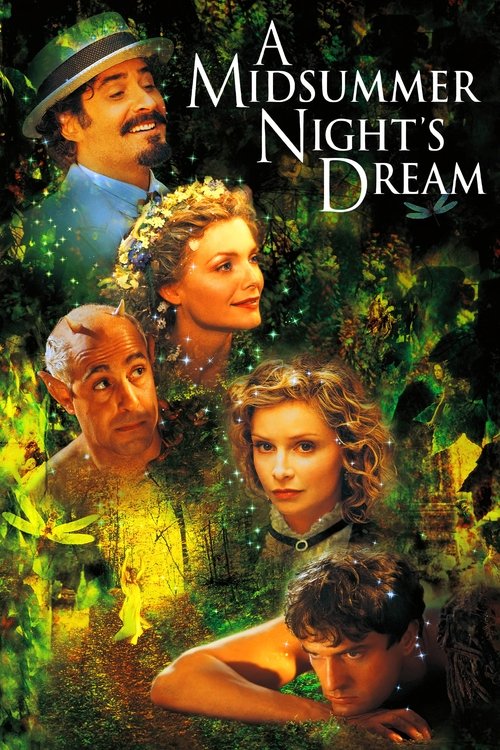
1999
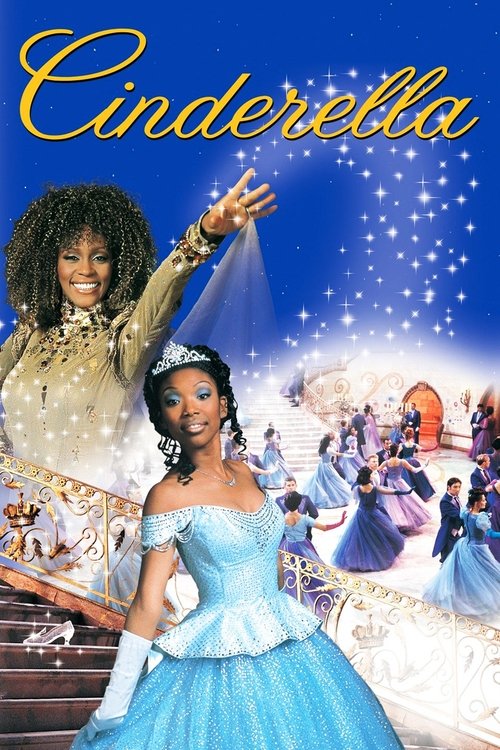
1997
No reviews yet. Be the first to share your thoughts on this movie!
Use the rating form above to leave a star rating and optional review.