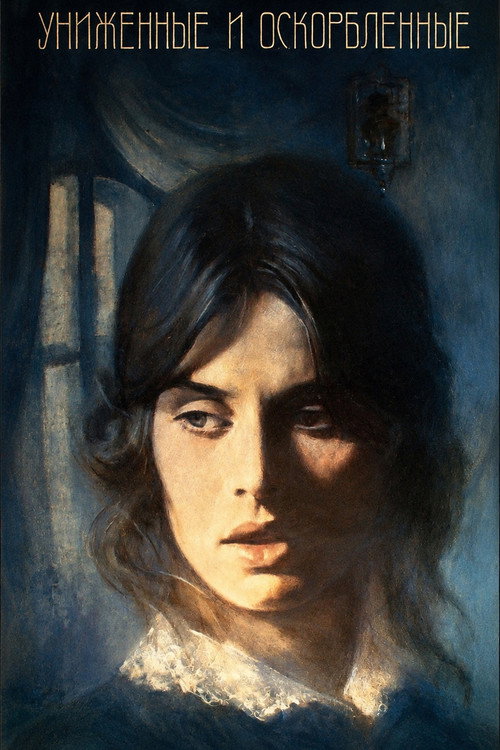
Humiliated and Insulted
1990
No user ratings available yet
Diversity score: 4.7 out of 10
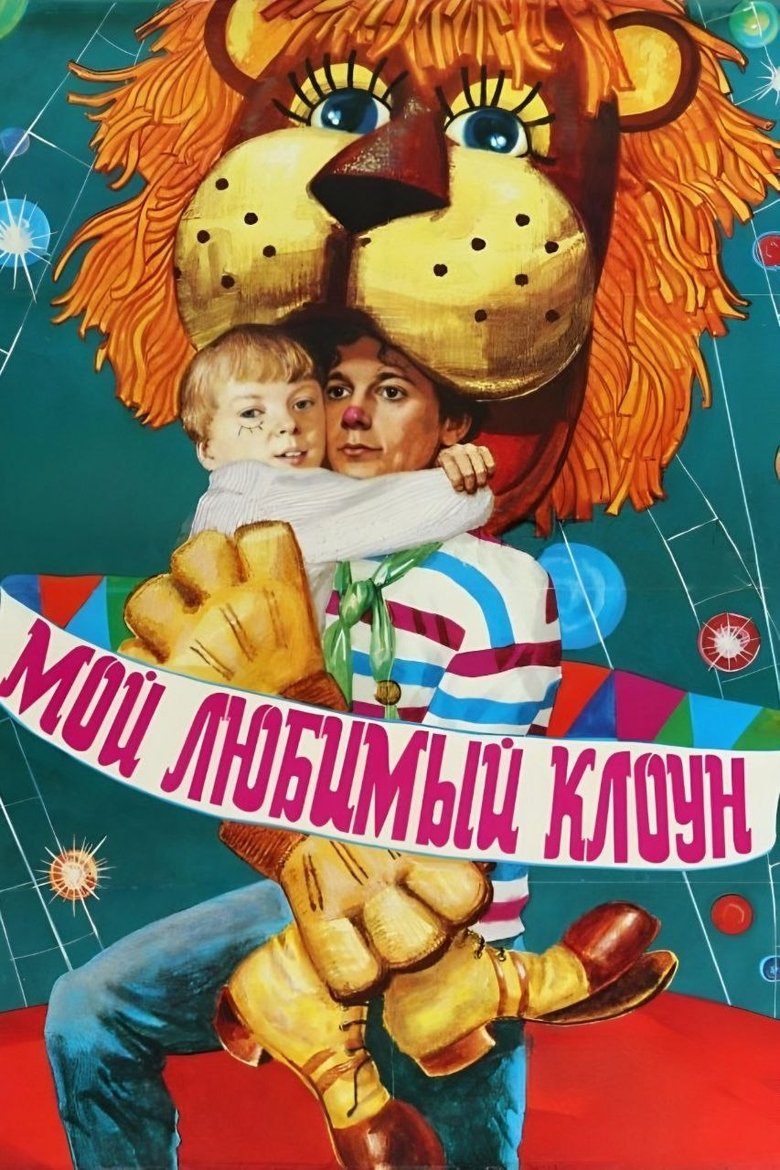
1987
Director
Yuriy Kushneryov
Average Rating
No ratings yetSynopsis
Film is based on the eponymous book by V. Livanov. About a boy, who is adopted by the divorced man.
Overall Score
Fair
Category Breakdown
LGBTQ+ Representation
The film lacks explicit depictions of queer identities or non-heteronormative romantic arcs. The narrative focuses instead on the domestic bond between a divorced man and his adopted child.
Gender Representation
The story centers on a male protagonist navigating domesticity and emotional vulnerability. While this disrupts traditional masculine archetypes, female characters lack significant agency or detailed development.
Racial & Ethnic Diversity
The film reflects the homogeneous social structures of the Soviet era. There is no evidence of a multi-ethnic cast or the subversion of ethnic hierarchies.
Religious & Cultural Diversity
By exploring adoption and divorce, the film challenges the idealized Soviet family model. It prioritizes individual emotional struggles over rigid, state-sanctioned social norms.
Disability Representation
There is no evidence regarding the portrayal of physical or neurodivergent disabilities within the film's narrative.
Strengths
Areas for Improvement
AI Analysis
My Favorite Clown is a character-driven drama that finds its strength in exploring unconventional domesticity. By centering on a divorced man and an adopted child, the film moves away from the monolithic family structures often seen in its era. However, the film's scope is limited by its historical context. It lacks intersectional breadth, offering little in the way of racial diversity or queer representation, and provides minimal agency to female characters. Ultimately, the film serves as a subtle disruption of social norms through its focus on non-traditional kinship and individual emotional complexity.
1990

1997
1984
2000
1979
1965

1993
1981
1980
1956
1980

1953
No reviews yet. Be the first to share your thoughts on this movie!
Use the rating form above to leave a star rating and optional review.