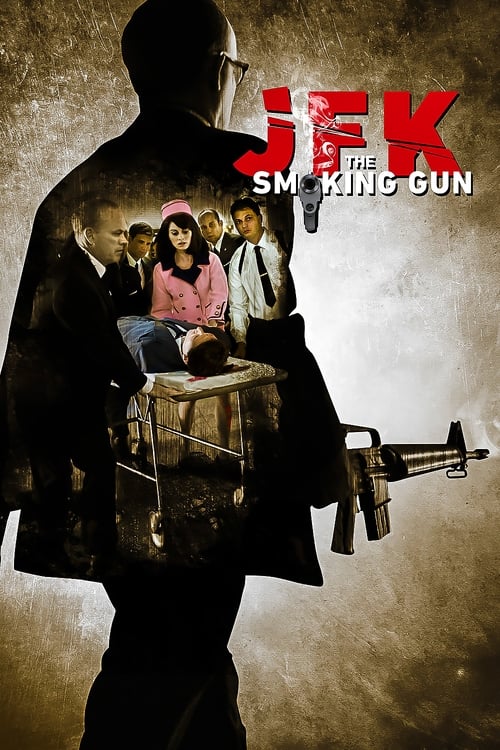
JFK: The Smoking Gun
2013
No user ratings available yet
Representation score: 3.8 out of 10
Representation Score
Limited
1992
Director
John Barbour
Runtime
96 minutes
Average Rating
No ratings yetNew Showbiz Analysis
The film operates as an institutional critique rather than a study of demographic representation. It prioritizes the deconstruction of state-sanctioned truths over character-driven storytelling. While the documentary succeeds in challenging the dominance of official historical accounts, it fails to provide meaningful representation across most identity categories. The focus remains strictly on the male-centric power structures of the 1960s. Ultimately, the work's value lies in its skepticism toward government authority rather than its inclusivity of diverse social identities.
Category Breakdown
The documentary focuses on 1960s political figures and intelligence agencies. It contains no LGBTQ+ characters or narratives addressing non-assuming gender matches what was assigned at birth identities.
The narrative centers on male-dominated institutions like the CIA and FBI. It lacks women's ability to drive the story or the subversion of masculine leadership structures.
The film focuses on institutional actors and international dynamics. It does not center non-white voices or utilize intentional multi-layered casting.
The film challenges the Warren Commission's grand narrative. It disrupts traditional portrayals of Western state authority by questioning institutional integrity.
There is no discernible focus on disability or neurodivergence. These elements are not central to the investigative narrative.
Present on Screen
Limited or Absent
Official Synopsis
This documentary tells the story of District Attorney Jim Garrison, who -- after the 1963 assassination of President John F. Kennedy -- looked closely into evidence available to him and came forward with an interpretation that went beyond the Warren Commission's authorized report. The film examines occurrences before and after the assassination and considers theoretical connections with the FBI, the CIA, the Mafia, the Cuban situation, the war in Vietnam, and other national and international concerns. An interview with Garrison is included in the film. Footage of the tragedy and interviews with witnesses offer further information and ideas.
2013

2015
1993
2012
2007
1991
2009
2003
No reviews yet. Be the first to share your thoughts on this movie!
Use the rating form above to leave a star rating and optional review.