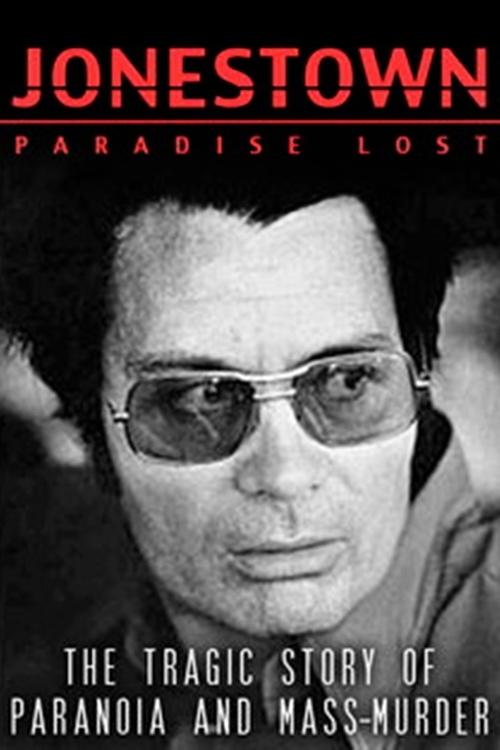
Jonestown: Paradise Lost
2007
No user ratings available yet
Diversity score: 6.1 out of 10
2003
Not RatedDirector
Mark Obenhaus
Runtime
86 minutes
Average Rating
No ratings yetSynopsis
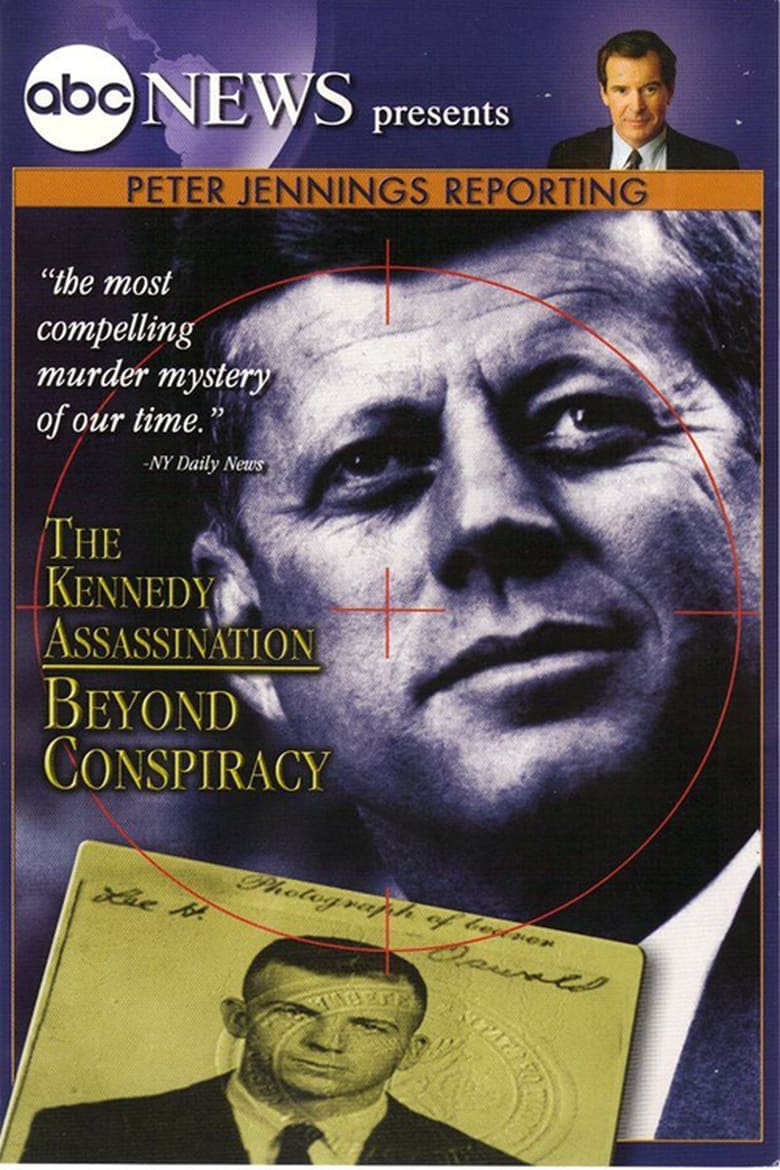
Forty years after the assassination of John F. Kennedy, more than 80% of Americans still believe that Lee Harvey Oswald did not act alone. This documentary attempts to separate fact from conspiracy theories to get to the truth, employing stunning forensic technology that makes it possible for the first time to be an eyewitness to this crime of the century – to see precisely what happened that November day in Dallas.
Overall Score
Limited
Category Breakdown
LGBTQ+ Representation
The documentary lacks any evidence of LGBTQ+ characters or narratives. Given the 1963 historical context, the film focuses strictly on the political event without addressing non-heteronormative identities.
Gender Representation
The narrative centers on the male-dominated political and investigative spheres of the 1960s. It follows a traditional patriarchal framework without subverting gender hierarchies or depicting masculinity in a non-traditional light.
Racial & Ethnic Diversity
The film prioritizes Anglo-American historical perspectives centered on the assassination of a white president. It lacks a diverse cast and does not explore intersectional racial dynamics or power structures.
Religious & Cultural Diversity
The production adheres to Western journalistic standards and institutional truth. It functions to restore clarity to a national narrative rather than challenging Western institutions or promoting anti-establishment themes.
Disability Representation
There is no discernible evidence regarding the portrayal of physical or neurodivergent disabilities within this historical investigation.
Strengths
Areas for Improvement
AI Analysis
This documentary serves as a traditional historical investigation, prioritizing forensic evidence and factual consensus over social subversion. Its structure is rooted in established journalistic rigor, which naturally limits its scope for diverse representation. The film's focus on the Kennedy administration and mid-century political mechanics results in a narrative that reinforces existing historical hierarchies. It lacks the intersectional depth required to challenge systemic social norms. Ultimately, the work functions as a tool for historical clarity rather than a platform for cultural or identity-based exploration.
No reviews yet. Be the first to share your thoughts on this movie!
Use the rating form above to leave a star rating and optional review.