
Fathers' Day
1997
No user ratings available yet
Representation score: 1.9 out of 10
Representation Score
Fair
1993
PG-13Director
Chris Columbus
Runtime
125 minutes
Average Rating
No ratings yetNew Showbiz Analysis
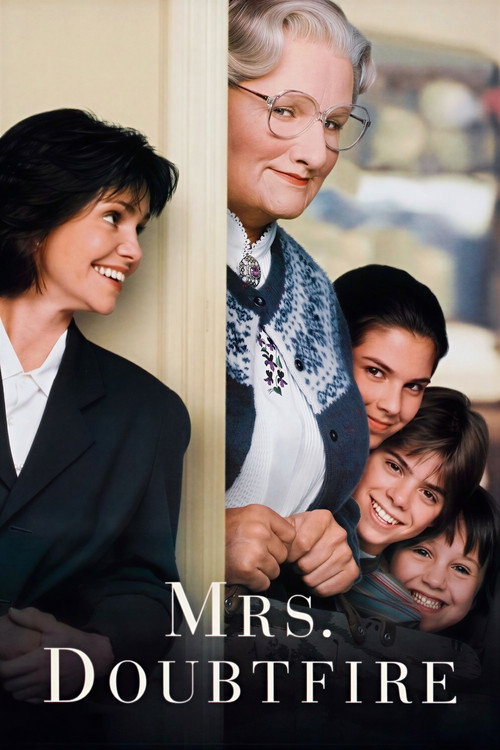
Mrs. Doubtfire is a character-driven comedy that disrupts traditional gendered expectations of caretaking and domesticity. By placing a man in a domestic labor role, the film highlights the performative nature of gender. However, the film is limited by its lack of racial and ethnic diversity. It remains anchored in the demographic norms of the 1990s, focusing almost exclusively on a white, middle-class experience. Ultimately, while the central conceit challenges certain social norms, the film operates within a strictly conventional framework, offering little representation for underrepresented identities.
Category Breakdown
The film does not feature any LGBTQ+ characters or explore non-straight relationships. The protagonist’s gender deception serves a tactical purpose rather than delving into queer identity.
The movie challenges traditional gender roles by having a man perform traditionally female tasks. During the divorce proceedings, Miranda takes a significant role, although the story primarily follows the male protagonist’s journey.
The story centers on a homogeneous, white, middle-class family in San Francisco. It lacks diverse ethnic representation and does not explore multi-layered experiences among the main characters.
The film examines the breakdown of the nuclear family from a skeptical perspective, questioning legal authority on visitation rights. However, it adheres to a conventional Hollywood narrative structure.
There are no significant depictions of physical, neurodivergent, or mental health disabilities. Disability is not used as a central narrative element or a tool for character development.
Present on Screen
Limited or Absent
Official Synopsis
Loving but irresponsible dad Daniel Hillard, estranged from his exasperated spouse, is crushed by a court order allowing only weekly visits with his kids. When Daniel learns his ex needs a housekeeper, he gets the job -- disguised as a British nanny. Soon he becomes not only his children's best pal but the kind of parent he should have been from the start.
1997

1983
1999
1994
1989

2006
1994

1995
No reviews yet. Be the first to share your thoughts on this movie!
Use the rating form above to leave a star rating and optional review.